I was in the shuk this week, enjoying the fresh air, choosing new potatoes, checking out the strawberries and artichokes. The market was crowded with eager shoppers speaking Hebrew, Ladino, Russian, Amharic, Yiddish, and Arabic. English too, sometimes.

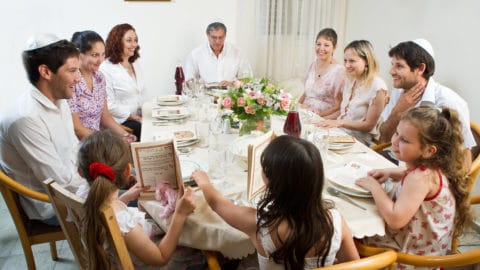
With Passover coming up, the multicultural hubbub got me thinking. What are the Passover customs of all these different Jews?

Normally I’m not shy about collaring a stranger on the street and asking all kinds of nosy questions, but I wanted more information than I could get from a three-minute interview. So I turned to my friends, women who come from varied backgrounds. This week, I’ll interview Shosh, Hannah, and Michelle. I hope to have Part II ready for you next week, with friends from Ethiopian, Yemenite, and Kurdish homes.

1. What’s your ethnic background?

Shosh: Orthodox American parents, married to a Tunisian. I observe all-Tunisian customs now.

Hannah: Eastern European.

Michelle: German Sephardic.

2. Does your family have specific customs in preparing for Passover?

Shosh: We check the rice we’re going to eat on Passover 3 times. Toveling dishes in the sea is so much fun that I call dibs on it every year (Mimi: Jewish law requires that kitchenware made outside of Israel be purified by dipping it in the mikvah or in a natural body of water). The men also go to the sea instead of the mikvah. (In many communities, the men go to the mikvah before major holidays).

Hannah: Cleaning the house carefully, hiding pieces of chametz the night before, and searching for them with a candle.

Michelle: Just the traditional preparations.

3. What’s a typical Seder menu?

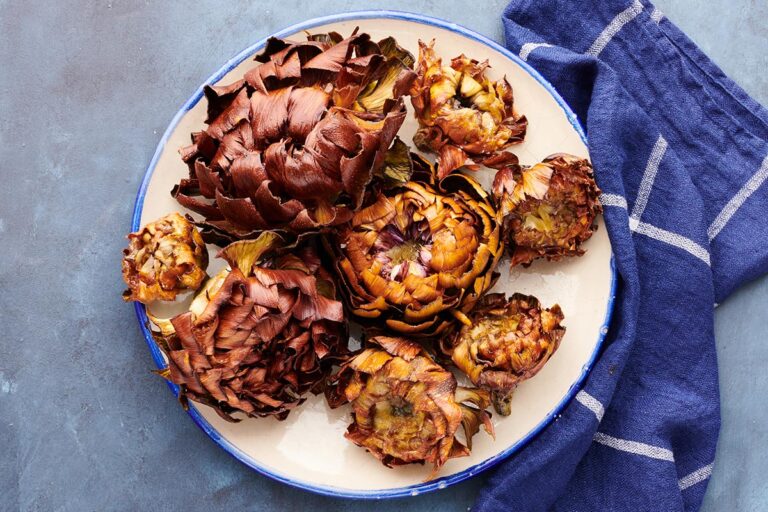
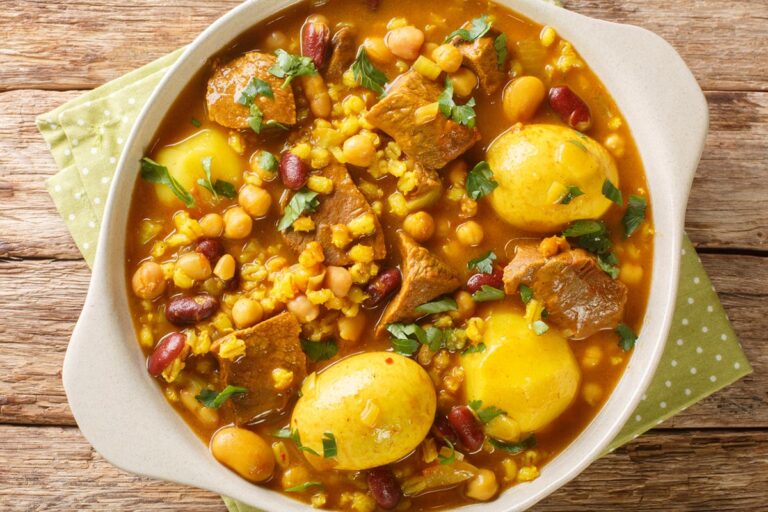
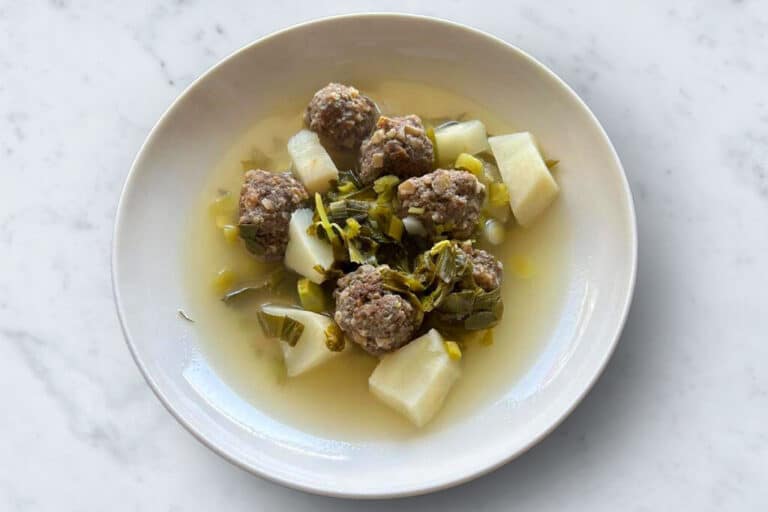
Shosh: 2 cooked dishes is the required minimum. A traditional fava bean, beet green, and lamb soup called bkila is served. The second dish varies. Funnily enough, chicken soup with matzah balls is always served. One year a Moroccan guest prepared delicious lamb on a bed of caramelized onions. Another year we had stuffed artichoke hearts cooked with peas. Rice is essential.

Hannah: In our home, my mother served matzah ball soup, brisket, matzah stuffing, and vegetables. Sponge cake for dessert. My parents both came from Hassidic backgrounds, but they dropped the Hassidic custom of not eating soaked matzah (gebrokts).

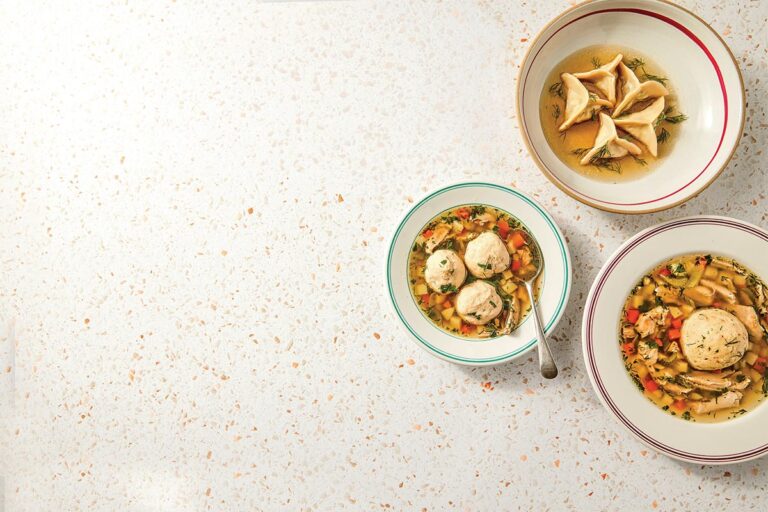
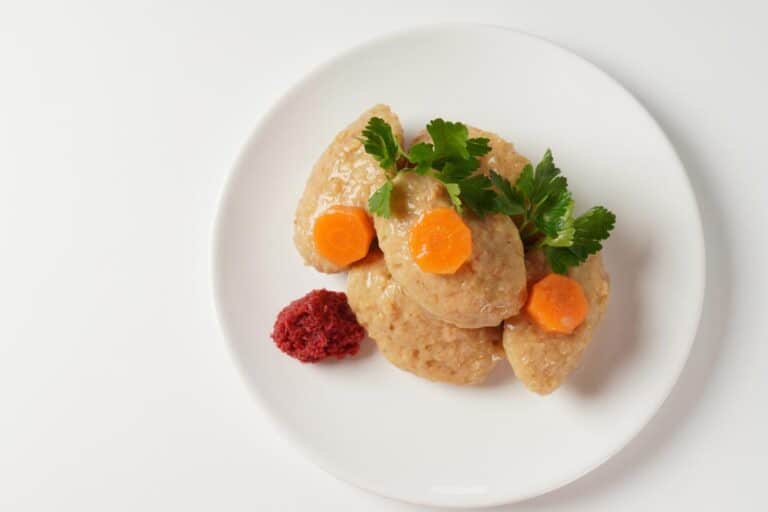
Michelle: Cold salmon instead of gefulte fish, chicken soup with matzah balls, lamb roast, roasted chicken, boiled potatoes, various vegetables, matzah shalet with lemon sauce, some other flourless cake.

Mimi: Michelle, what’s shalet?

A bit hard to describe. It is a “cake” that is made with soaked whole matzahs, eggs, lemon juice, lemon zest, sugar, almonds, and raisins. It is baked in hot oil in the oven and it gets a wonderful hard brown crust, but it is soft and squidgy inside.

4. Where do you get your matzahs? Are they hand-made?

Shosh: We buy handmade matzah with a Sephardic hechsher for the seder. For the rest of Passover we use machine-made.

Hannah: We would buy one box of hand-shmurah. No special brand or hechsher.

Michelle: Store-bought, no specific hechsher.

5. What’s your family’s charoset recipe?

Shosh: The Grandma makes it with lemon juice, so it’s a bit sour. My mother-in-law makes it sweet, with dates and grape juice.

Hannah: Apples, walnuts, sweet red wine, cinnamon.

Michelle: Italian charoset – secret recipe with fresh apples, dried fruits, nuts, and chestnut paste.

6. Does your family have foods reserved specially for Passover or the Seder?

Shosh: The bkila is for Rosh HaShana and Passover only. The Yemenite aunt makes matzah fatut (normally eggs scrambled with spongy lachuch bread; for Passover matzah is used).

Hannah: No.

Michelle: Matzah shalet and matzah fritters.

7. Are most foods home-made, or store-bought?

Shosh: Home-made.

Hannah: Home-made.

Michelle: Everything is home-made.

8. What’s on the Seder plate?

Shosh: The usual egg, bone, parsley, charoset, lettuce.

Hannah: Lettuce and horseradish, hard-boiled egg, parsley or potato, a bone with meat, salt water, charoset.

Michelle: Lamb shank bone or turkey leg, egg, horseradish root, romaine lettuce, charoset, and parsley.

9. What language do you read the Hagaddah in?

Shosh: Hebrew and a bit of Tunisian Arabic.

Hannah: Hebrew and Aramaic, accordingly.

Michelle: Hebrew.

10. Do you follow specific traditions at the Seder?

Shosh:

  • The children put the afikoman (a matzah saved to eat at the very end of the meal) in a sack and carry it on their backs. They walk out, take a short walk, and come back in. The father asks them: “Where were you?”

They reply: “In Jerusalem.”

“Who did you meet?”

“The prophet Elijah.”

“What did he tell you?”

“That the Messiah is coming.”

  • The host or person reading the Hagaddah out loud recites “ha lachma anya” three times (a paragraph beginning this is the bread of affliction that our forefathers ate in Egypt…). He holds a basket with the plate containing the matzahs in it, and walks around the table while chanting – and bumps everyone lightly on the head with it. (Mimi: This Sephardic custom physically reminds the participants of the oppression Jews experienced  in Egypt and of our release from slavery.)

Hannah: We spill wine 10 times while reciting the 10 plagues. My family would dip a finger in the wine.

Michelle: We dip our pinky finger in the wine glass and dab it on a plate for the 10 plagues.

11. Are there customs or rituals that belong to your family alone?

Shosh: The youngest children are told the story of Abraham and the idols, and they chime in with whatever they remember. The story is then retold in Arabic, especially when the grandparents are there.

Also, the matzahs are covered and uncovered at specific times during the meal, as indicated in the machzor (Mimi: book of holiday prayers), which was written by the great-grandfather. He was an important rabbi in Tunisia.

Hannah: Don’t know of any.

Michelle: One year we were forced to have our Seder by candlelight because a terrible storm blew the electricity out. We loved the candlelit Seder, so we made it a tradition.

We take turns reading a stanza of Who Knows One and An Only Kid and recite it in one breath.

12. What’s your favorite part of the Seder?

Shosh: The songs.

Hannah: Listening to the children sing the Four Questions.

Michelle: All of the songs.

13. What’s your favorite Passover food?

Shosh: Matzah brie with lots of onions and shaped like hamburgers, yum…

Hannah: Matzah brie.

Michelle: Charoset!

14. Any special treatment for Eliyahu haNavi? (Elijah the Prophet, who is said to visit each family’s Seder when the host opens the door to recite “Pour Thy wrath over our enemies…”)

Shosh: We just open the door.

Hannah: We reserve a glass of wine for him.

Michelle: We reserve a special cup.

15. Share a Seder memory with us?

Shosh: My grandfather used to hide the afikoman in the same place every year – behind the white pillow on which he reclined. He always acted surprised when he found that it was gone. He used to hide it while everyone was washing their hands for the matzah. One year I stayed behind and saw him hiding it. He looked at me and winked, as if to say, “Don’t tell…”

Hannah: My parents always invited an elderly professor to the second Seder. He was very Reform. When we got to certain verses in the Hagaddah reading, he said, “So and so has made great strides in ascribing this passage to E instead of to P” – referring to biblical criticism and the authorship of the Bible. My father, a scholar himself, changed the subject.

Michelle: One of my favorite Seder stories is when one year, my Dad opened the door to Elijah and there stood a fawn. He looked at my Dad a second and ran off. Next year, a possum was on the doorstep. We laughed and said, “Next year it’ll be a goat!”

Mimi: Here’s one of mine. When I was about 7, my father’s best friend, a noted psychiatrist and neurosurgeon, came to the Seder. He sat next to me and for his own amusement, hypnotized me into “seeing” the wine in Elijah’s cup go down. Jeez. It really looked like an invisible mouth was sipping at the wine. I was afraid to touch the cup for years afterwards. But I’ve forgiven mischievous Dr. Kugler, may his memory be for a blessing.

Part II next week…


Late winter is a fine time for mushrooms in Israel. In fact, Israelis are showing a big new interest in cooking with all kinds of mushrooms, so good ones are available most of the year. But even hot house food tastes best when it’s grown in its natural season. Soon the weather will become hot and dry again, so this is the time to snatch up the best of those succulent fungi.

I saw these attractive champignon mushrooms in the shuk last week.

Selecting the firmest, one by one, I half-filled a bag. Clutching it to me and dreaming out the window on the bus home, I thought of  mushroom soup and a leek/mushroom quiche. Possibly gnocchi with mushroom sauce. But I knew I’d still have mushrooms left over. Well, there’s duxelles, a way of preserving mushrooms as an essence so you have that unique flavor at hand any time.

It’s an ancient method. The only hi-tech improvement is using a food processor to chop the raw mushrooms if you don’t feel like hand chopping.

Duxelles

Ingredients:

500 grams – 1/2 lb. mushrooms, champignon or portobellos (white or brown). Rinse and wipe them dry. Make sure there’s no dirt on them.

2 Tbsp. unsalted butter

3 Tbsp. finely chopped shallot

1/2 tsp. salt

1/4 teaspoon pepper

1/2 tsp. dried thyme, sage, or crushed rosemary

1/4 cup dry white wine

Method:

1. Chop the mushrooms into fine dice. Or use your food processor.

2. Place mushrooms into a clean kitchen towel, one you don’t mind getting stained. Fold the towel to contain the mushrooms.

3. Wring out the mushrooms over a bowl. Squeeze out as much liquid as you can. Refrigerate and save the juice for soup or gravy.

4. Melt 1 tablespoon of the butter gently.

5. Add mushrooms, shallots, salt, pepper, and thyme.6. Sauté until mushrooms are dry and the aroma is intense. This should take no more than 5 minutes.

7. Stir in and melt the second tablespoon of butter.

8. Add the wine. Stir until it has evaporated.

10. Remove duxelles from heat and cool.

The duxelles are ready to use right away. To store for future use, pat the paste into a strip of tin foil, roll it closed, and freeze. Just cut off tablespoon-sized portions when you need them.

So how do you use duxelles?

  • Spread a thin layer of duxelles on toast that’s been lightly rubbed with a garlic clove. Now you have bruschetta.
  • Flavor any soup with a tablespoon or two.
  • Start an omelet by melting some duxelles in your frying pan, then pouring the eggs over them.
  • Spoon some over steamed vegetables or baked potatoes.
  • Stir some into your next polenta. Or use duxelles as the topping for polenta (or pasta) instead of sauce.
  • Make a mushroom butter: beat butter till its soft; add duxelles and taste to adjust salt & pepper. Delicious with grilled fish.
  • Add to any sauce, including tomato sauce.
  • Steam sweet potatoes; drain well; melt duxelles in a frying pan and roll the cooked sweet potatoes in them till they’re slightly glazed.

You see? Duxelles add body and mushroom flavor to any food.


onion-za'atar twists

Onion-za’atar bread twists with a surprise filling are a good pre-Passover treat.

How is it I still have so much flour? I’d better find ways to use it up before Passover.  There are only three weeks.

I guess the Purim Panic got to me. I baked ma’amoul pastries, the ugly and delicious Prune and Chocolate loaf, Onion Za’atar Twists, and peanut butter cookies with cranberries (recipes follow). Challot for this Shabbat will use up a kilo of flour. But I still have too much flour in the house.

Here are some other ideas:

  • Kreplach. Making pasta at home uses up a lot of flour, including the flour you use to dust surfaces. And if you have kreplach, you have to have soup. There’s dinner for you.
  • Weekday bread for sandwiches and toasting.
  • Pancakes or blintzes for dinner.
  • Refresh the sourdough! That uses up 1/2 cup of flour right there. Not to mention if you decide to bake.
  • Muffins for kids to take to school.
  • Cake and cookies for Shabbat.
  • Quiche. With soup or a salad on the side, you’ve got a meal.

I know I’ll run out of flour before getting to everything there. Good.

Meantime, let me show you the…

Onion-Za’atar Twists.

Yield: 10 roll-sized twists

Ingredients:

1-1/4 cup warm water

1 tablespoon dried yeast or 1 cube fresh yeast

2 tablespoons sugar

3- 1/2 cups all purpose flour

2 teaspoons salt

more flour for dusting

2 large onions

2 tablespoons olive oil

1 teaspoon salt

pepper

more olive oil for drizzling

1 tablespoon za’atar spice – you may substitute2 tablespoons plain sesame seeds or a mixture of sesame seeds and oregano

Method:

1. Chop the onions coarsely. Fry them in the 2 tablespoons of olive oil over medium heat till they are golden – about 10 minutes. Season them with salt and pepper.

2. Dissolve the yeast in the warm water.

3. Add sugar, flour, and salt to the yeast water. Mix well.

4. Knead briefly to obtain a smooth dough.

5. Cover the dough and set aside to rise for 1 hour.

6. Divide the dough into 10 pieces. Leave them on a floured surface.

7. Choose a piece of dough and roll it out into a fat rectangle.

8. Lay a tablespoon of  seasoned sautéed onions along one of the long sides of the rectangle.

9. Roll it up twice and pinch the seam shut.

10. Make a loop and tuck the ends of the “snake” through it to make a twist.

11.  Do the same with the remaining pieces of dough.

12. Cover and let them rise for 1/2 hour. Preheat the oven to 375 °F – 200°C.

13. Just before putting them in the oven, brush olive oil over each one and sprinkle with za’atar.


14. Bake the twists for 25 minutes or until they are golden brown.

These savory little breads are cool because you don’t see the filling until you bite into one and then – oh my onion goodness.


Other flour-using ideas on Israeli Kitchen (most using corn, another item many of us need to use up before Passover):


Related Posts with Thumbnails

© 2012 Israeli Kitchen Suffusion theme by Sayontan Sinha