image-agrippas-street-jerusalem

Going to Jerusalem? Shlep up Agripas street towards shuk Machaneh Yehudah, and your eyes are immediately drawn to this mural. Don’t you love how the painted sky in the arch exactly matches the real sky?

Continue reading »


image-apples-israel
August has been a month of short trips away from home. To Tsfat, always, visiting my many good friends there. To Acco (Acre), where I wandered through layers of history at the Crusader Fortress. To Rosh Pina, of rural roads climbing up to restored houses from the 1800s and peaceful olive groves. That’s why I haven’t been posting much. Fact is, I haven’t been cooking much.

I’ve been dreaming out of bus windows for long hours, tramping new ground, aiming my camera everywhere. When at home, meals have been Old Familiars and Reheatables – foods I can cook in my sleep and most of which I’ve shown you here. I don’t know why I’ve felt compelled to rise and walk the Land these past weeks. Maybe it’s the ominous newspaper articles about possible violence, come next month. If indeed war comes, which G-d forbid, we may not have the freedom to move around. Or is it a combination of foreboding and my inborn restlessness? Who knows.

But it’s almost September. The Little One gathers notebooks and pencils, anticipating the return to school. An autumnal breeze blows through my neighborhood, making a susurrus in the treetops. The little crop of potatoes I planted on my balcony is ready to for my digging fingers to pull out. And the urge to get up and go dissolves, giving way to the old instinct that says, Stay in your kitchen and cook.

Proof of that is a new sourdough bread recipe I came up with today, where I added very soft cooked brown rice to the first rise. (And if you get the pun at the beginning of the sentence, say so here!) Give me the day or so the dough takes to ferment, and I’ll show you the finished bread later on.

In the meantime, would you like to see some of the places I’ve been and the people I’ve talked to? I have loved visiting them. How about Rosh Pina?
Here’s a goat enjoying an olive tree nosh on the organic Ginat HaMitbach farm. image-goat-israel
Goats provide the milk from which the farm’s excellent cheeses are made. You can also buy beautiful loaves of organic sourdough bread there. And on Fridays they serve a generous rustic breakfast, all kosher. Ginat HaMitbach doesn’t have a website, but if you read Hebrew you’ll find them on Facebook. image-israeli-goat-cheese

I bought an unripe Camembert there, accepting strict instructions to keep it in the fridge and forget about it for the next three weeks, except to turn it over a few times. The owner of the farm wasn’t present, but Alice, a WOOF volunteer, allowed me to take her photograph. (More about the WOOF volunteer organization here.) image-woof-volunteer-israel

Another food adventure in Rosh Pina was finding The Well Delicatessen, where Sigal Eshet-Shafat sells extremely delicious jams, liqueurs, salad dressings and marinades. All her original recipes, all ingredients locally sourced, and all kosher. My photos came out awful, but you can see the products at her site. image-Sigal-Eshet-Shafat

Sigal’s apricot-passiflora jam is something out of this world. In fact, I think I’ll thin down some of that sourdough with milk and make some pancakes – topped with that jam. And her spicy date marinade, sort of a thin chutney, is going to feature in one of my roast chickens sometime soon.

Moving up the mountain to Tsfat, here is this year’s Klezmer festival. I arrived in the early afternoon, getting off the bus next to the ongoing tent protest promoting rent control nationwide. image-tent-protest-israel

The Ottoman clock tower by day… image-ottoman-clock-tower

The Ottoman clock tower by night, with the happy crowd surging under it. image-ottoman-clock-tower

A street barbeque in front of a local butcher store. I know the shop from when I used to live in Tsfat, so confident of the kashrut, I bought a pita stuffed with Merguez sausages and salad. It was the best Merguez I’ve ever eaten. image-street-barbeque-safed

One of the big stages is always set up on Avraham Sadeh Square. It was almost sunset at the time I took this photo. image-klezmer-festival-safed

Long after the last performance, I sat there alone with a friend in front of the empty stage, eerily surrounded by about 500 white plastic chairs while the cold moon rode high above.

Frammin’ and jammin’ in HaMeginim Square late at night. image-klezmer-festival-safed image-klezmer-festival-safed

I heard the hypnotic, dancing beat – there were at least four different drums going – as I stood in a friend’s courtyard down the road. Since no one could see me and the rhythm was exactly right, I started singing Duke Ellington’s “Caravan” into the soft darkness. I have to admit, I was amused when neighbors sitting out on balconies started looking around to find the singer. But I did not reveal myself. No, I am too modest.

Down the coast to Acco, where an entire Crusader fortress stands. It was like stepping into a time warp ca. 1230.

The impressive dining hall where knights gathered and travelers were given hospitality. image-crusader-fortress

Some of the great halls have perfect acoustics. It’s worth singing a refrain or two for the thrill of hearing your magnified voice rebounding along the ceiling and walls.

The headstone of a knight’s tomb. This Peter had been an important administrator. image-crusader-tombstone-acre I viewed Peter’s pious attitude with a cynical eye, wondering if he had been one of those good knights who leaped off the ships and began enthusiastically slaughtering Jews and Muslims.

Crusader latrines, built over the tidal wash that runs under the grounds twice daily. image-crusader-latrines

These latrines looked very much like the ancient Roman ones in the Beit Shean archeological park. Well, now I know something about Crusader plumbing.

I stumbled upon a house surrounded by whimsical sculptures. Indeed I thought it was an art gallery, and started photographing. It’s actually a private home. But I liked these storks, maybe put on the lawn to celebrate the annual stork migration over the Galilee. The big birds sometimes stay overnight. A friend in Tsfat once told me she woke up and found them perched everywhere in her garden. image-stork-sculpture

That sourdough batter is light and bubbly by now. Think I’ll go and make some pancakes. See you later!


image-cooky craze

Lone Tree Brewery beers are produced in a small facility in Gush Etzion. I had tasted them at the national beer event in Tel Aviv last winter, and like them very much. So when brewmaster David Shire invited the food bloggers and writers to  the microbrewery last Friday, I was excited to go.

Bloggers Liz Steinberg, Emily Segaland Mirj Weiss. Other writers and bloggers were present and eagerly tasting as well – in all, about 30 visitors.

It was a rustic display of Gush Etzion’s gastronomic goodies. Some manufacturers are just starting out and sell mostly in the Gush. Others routinely distribute around Israel, and some sell their products abroad.

There was plenty of chocolate and plenty of liqueurs.

image-yekev-lavi

Yekev Lavie produces black and white chocolate liqueurs, coffee cream, honey, cherry, caramel, and crème de cassis.

www.yekevlavie.co.il
kosher medhadrin; some dairy varieties
Tel+972-2-993-123-8
Liqueurs are available in Israeli wine stores.

In friendly rivalry was Chocoholique, a boutique liqueur manufacturer who describe their product as “drinking chocolate.” They offer 8 varieties of chocolate-based liqueurs, some of which are unusual here in Israel, like their peppermint, chili pepper, and peanut butter ones.
www.chocoholique.com
Kosher mehadrin, pareve
Orders: Marc Gottleib +972-2-991-9443

image-chocoholique

Itamar of the Beit Lechem Bakery put out a sample of their extremely delicious breads. They have whole wheat, sourdough, and spelt breads – all natural, no chemicals.

image-beit- lechem-bread
Beit Lechem Bakery
www.beitlechem.co.il
Itamar, Tel. 054-4769-464
Breads available in Jerusalem health food stores.

Like fancy cookies? The amusing bouquets (first photo on this post) and business cards printed onto cookies caught my eyes. David and Suzie Gross of The Cookie Crave also bake amazingly good tarts and cakes. Hard to resist noshing!

image-cookie-crave
The Cookie Crave
Kosher Mehadrin, pareve
www.thecookiecraveshop.com
thecookiecrave@gmail.com
Tel: +972-2-9933178
Kosher mehadrin, pareve
Local distribution; ships world-wide

We weren’t done with chocolate yet. Zev Stander of Holy Cacao fascinated us with his story. He’s the only one in Israel who imports cocoa beans (some from his own plantation in Peru) and makes the finished product from scratch. The quality of Holy Cacao chocolates is exceptional. And Zev practices fair trade with his cacao suppliers.

Click on the link to Facebook below to view photos of these out-of-the-world chocolates.

Holy Cacao
Zev Stander
Tel: 054-804-1326
+972-2-9913182
info@holycacaochocolate.com
Order via Facebook page: http://on.fb.me/nNAIq2

Ferency Winery is my kind of winery. Small, producing 10,000 bottles yearly at this time, and all-organic. Gershon Ferency is vineyard master and winebrewer, making Merlot, Chardonnay, Sauvignon Blanc, and a blend of the whites that I found particularly refreshing. I liked Gershon’s attitude towards wine-making: going against the current trend of designing the wine to fit a particular profile, he “lets the wine speak for itself.”

I agree. The winemaker really only manages fermentation: the character of the wine will emerge from the grapes themselves.

image-ferency-wine

Kerem Ferency

http://www.gershonferency.com

Facebook: http://www.facebook.com/ferencywinery

I have to confess. I’ve always disliked herring. I know – I know. How could I possibly survive a kiddush at shul without tasting the herring? But I always sort of snuck past it.

At the Gush gathering though, was Mordechi Zucker of Kiddush Club. Based in Efrat, Mordechai brines and smokes the most delicious gravelox and herring. I loved his salty herring. Sweet, I can still live without. Yes, lovers of traditional sweet herring will jump down my throat. I am resigned. Mordechai makes 7 different varieties.

Another boutique food manufacturer with slow-food ideas, Mordechai is dedicated to old methods of preserving fish that are vanishing today. When asked, he said that he smokes his fish on his apartment porch. “I give lots of samples out to the neighbors!”

image-kiddish-club
Kiddush Club
Mordechai Zucker
mordyz@bezeqint.net
Tel: 057-315-4794
By order only.

Let’s finish with more wine.
At the end of the event, six or so of us traveled on to the Gush Etzion Winery, where we were offered a tour and tastings of their Nahal HaPirim and Emek Bracha series. The winery is located at the Gush Etzion intersection and is well worth the visit.

Apart from Cab Sauv, Merlot, Cabernet Franc, Petit Verdot, Gwwurtztaminer, Riesling, Sauv Blanc, Chardonnay and Viognier – as if the wines weren’t enough – there is a lovely dairy/fish restaurant.

We feasted on hot quiches and egg dishes and a huge variety of salads (Mirj was especially taken with the chickpea/lemon salad). The menu offers a very large variety of dishes, including a red mullet tajine that I’d love to order next time I’m in the Gush.

image-gush-etzion-wines

Gush Etzion Winery

http://www.gushetzion-winery.co.il

Click on the “restaurant” tab to see all the options in English.
Tel: 02-930-9220

What with the high mountain air and beautiful views and good food and drink, that was one of the best Fridays I’ve had in a very long time. Many thanks to David Shire of Lone Tree Breweries and all who helped him get the event together.

image-lone-tree-beer

Lone Tree Brewery

http://www.lonetreebrewery.com

Kosher mehadrin, pareve
To order beer:
Susan 054-234-5439
David 050-530-6036

To know more about David (who speaks with an intriguing Scots accent) and the brewery, see an interview with him on Foodbridge.


image-salmon-fresh-polenta

Creamy salmon topped with radish sprout stalks on a bed of puréed peas, accompanied by fresh-corn polenta (different from my corn-meal based polenta) – and a Parmesan crisp. Oh my gosh.

It was a fabulous lunch at the Inbal Hotel in Jerusalem. The management had invited the English food bloggers to taste and critique the new summer menu. We sat down to feast at the elegant Sofia restaurant and raved over the food.

Chef Moti Buchbut presented each portion, giving us the details for us to identify the layers of flavors as they come up. The theme for this summer at the elegant Italian-dairy restaurant is sweet/salty. It works, especially with the very subtle flavors that Buchbot knows how to combine.

“Melanza” – smoked eggplant with roasted pepper, mozzarela, and a crisp filo envelope, lightly lying on dribbles of balsamic reduction and cream and white wine and pesto. Cubes of tomato, sprinkles of Atlantic sea salt.

image-melanza-inbal hotel

We tasted and gasped in delight. This is not home cooking, folks. Unless you’re a multiple medal-winning chef like Buchbut. There was a delicious, lingering aftertaste that reminded me of something I’d eaten long ago…something smoked. I couldn’t place it, but if I get a chance to eat this dish again, I will.

I’m not going to go into ecstatic detail over every dish. I really can’t do justice to the melting flavors, the pleasing texture contrasts, the feeling of gladness that such food gives you.

Like this ceviche, with its marinated tuna and jewel-like vegetables and citrus fruit cubes.

image-ceviche

Blogger Ariella Amshalem and I thought that the plump green leaves might be purslane, a summertime wild edible. That would have made this forager happy. But it was equally delicious sunflower sprouts. When I asked chef Buchbut if he wouldn’t consider cooking with wild edibles, he explained that the restrictions of mehadrin kashrut don’t allow it. Never mind, the dish was an entire success.

Beautiful works of culinary art, meant to be destroyed with fork and eaten. Once you’ve finished discussing all the succulent details with fellow bloggers, writing down tasting notes, and taking photos, that is.

Cannelloni stuffed with Swiss chard and four cheeses, with tomato and roast pepper sauces. Um, um, um.

image-cannelloni

We were served 12 tastings in all. If you’re wondering how we managed to put all that food away, let me say now that our portions were much smaller than average. That allows tasting without getting to the stage where it takes a crane to hoist you out of your chair.

Linguini with pesto and strips of zucchini – hey, that could be a song. In fact, people have always sung about food. Well, I’ll refrain from getting poetic here, although this pasta certainly sang in the mouth. It had the characteristic rough texture of home-made pasta, and the mild pesto with vegetables complemented it nicely. We wisely ate only half the portion, though, to leave room for the next.

image-linguini-inbal-hotel

Blogger Jewlicious live-tweeted the event with photos, till his Twitter followers begged him to stop because it made their stomachs rumble.

Seared red tuna, on a bed of pureed potatoes and accompanied by spinach stuffed with polenta. It looks like a Japanese furoshiki bundle, doesn’t it? The spinach, that is. The tuna was one of the most delicious things I’ve tasted, period.
image-seared-salmon Blogger Ariella Fixler (Bishul B’ketzev Salsa – Hebrew) received her portion in a beautiful copper pan – she’s a pal of the chef, what can I say.
ariella fixler

You must be wondering if we’re ever going to get to the desserts. Well, the first of the two was “Magic Meringue.”

Special and luxurious are inadequate to describe this. An egg-shaped meringue shell concealing passiflora-flavored mascarpone, creme Chantilly and honey, accompanied by coconut sorbet. Raspberry sauce under. You crack the “egg open and the yellow mascarpone comes spilling out…just artistry. Not to mention the sweet deliciousness of it.

image-magic-merengue

The second dessert was an almond twill stuffed with mocha cream and nogatine, on caramelized banana slices with orange sorbet and whipped Belgian chocolate.

image-almond-twill

The dishes were well balanced for summer eating, with emphasis on bright flavors, light weight, and fresh local produce. Beautiful presentation in the currently fashionable way, with colorful accents from dribbles of coulis and cubes of this and that. I understand there were 10 more offerings at the next day’s tasting, which I didn’t attend.

The managers ate with us, all in their suits and ties (in contrast to the casual bloggers), and very attentive.

I became a little anxious to leave towards the end because I needed to buy a special ingredient for the next night’s dinner at home: duck. Not that I serve duck often – it was going to be a belated birthday party and I got it into my head that only duck would do.

I had planned to buy it in Tel Aviv, but it was getting late. Then I thought, there must be duck in Jerusalem.  So I asked if anyone knew where.

Mr. de Schuyter, general manager, said, “I can find out.” He murmured into his cellphone for a few minutes. Then he told me exactly where I could find duck. I did go there after the event and bought what I needed.

How cool was that?

Now, I’m not getting paid to post this. But if you’re in Jerusalem and get a chance to have a meal at the Inbal hotel, go there and eat. Give chef Moti Buchbut my regards.

Next – interview with the chef, plus a recipe.


image-ashdod-shuk 2

Ashdod had a small-town feel when I first used to visit there, back around 1977. My parents had just come to Israel and were living in the absorption center, studying Hebrew. There was a relaxed, seaside feeling when we’d saunter out in the late afternoon to enjoy the breeze, stopping to drink coffee at one of the many sidewalk cafés. Lots of Moroccan and Egyptian-accented French spoken in the street, in shops. Tiny eateries with three or four tables where my folks and I would order fish couscous. There was a small artists’ colony – a few cozy, rundown houses near the beach. We visited a painter my parents knew and found him waving his arms and explaining a large, colorful canvas to a group of admirers.

We’d sit and sip coffee and people-watch. Clusters of dark Bnei Israel women in saris would pass by, chatting in Malayalam with their handsome husbands and kids. Russian immigrants, newly arrived and still bewildered, cautiously getting the lay of the land.  Jews wearing crocheted kippot, wearing black hats, wearing colorful embroidered Georgian caps.  Sailors cocking eyebrows at every nice pair of legs. Ashdod is a port town, after all, and has been for thousands of years.

As today and as always, sunshine, heat, and the sea.

I went back to Ashdod last week to visit friends and hit the shuk. The town has grown very much since I knew it. Its small-town character has changed. Thousands of new immigrants from Russia and Ethiopia and a thriving ultra-Orthodox community have displaced the old, European-influenced Middle-Eastern culture.  New neighbohoods and tall, sleek buildings have risen. I no longer knew my way around.

It seemed a less friendly town than the one I remembered. But it was probably just me, awash with nostalgia as I walked through the old places. My parents were younger than I myself am now. We would stroll together, three abreast, through the shabby, colorful streets or on the peaceful beach… How strange to realize that ordinary moments become rich memories.

But the bustling sea-side shuk forced me back into the present, and gladly I went. Wednesday is shuk day in Ashdod, and it takes place next to the beach promenade. Rising above the crowds is the sundial clock tower.

image- sundial-tower-ashdod

A multi-cultural crowd moved among the hundreds of stands. Besides Hebrew and French, I heard Amharic, Russian, Spanish and even some English.

image-ashdod-market

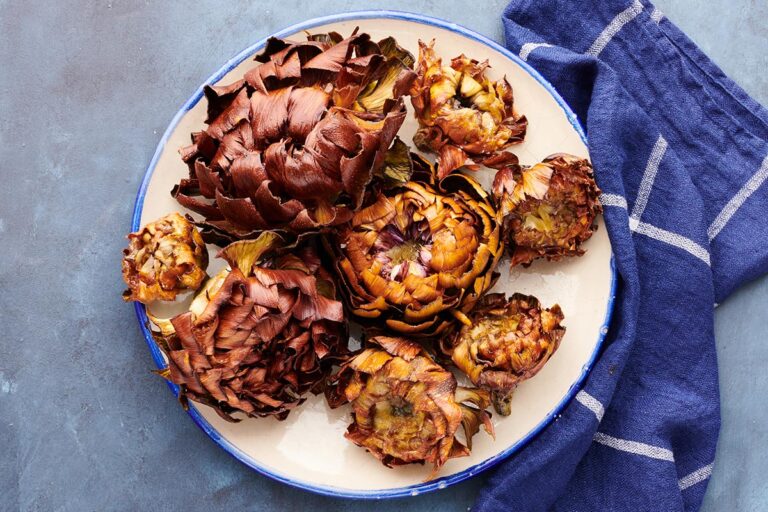
Most of the produce was beautiful, like this bright orange pumpkin and baladi eggplant. The tiny artichokes would have been perfect for stuffing and frying, except, sadly, they were infested with snails.

image-pumpkin-ashdod

image-eggplant


image-artichokes-snails

Clothes in the shuk always intrigue me. Here’s a T-shirt for Maccabi basketball team fans…

image-maccabi-tshirt

and a startling new summer fashion: chamsot to avert the evil eye, on your sandals.

image-chamsah-sandalsI always look for the one table displaying awful shoes in the shuk, and I found it.
image-shoes-shuk-ashdod

So awful as to be actually rather cool.

Although you wouldn’t catch me dead in them.

I meandered on under the awnings, enjoying the colors and scents and glancing at vendors like this couple selling room perfumes.

image-vendors-ashdod

A pair of hips swaying like  The Girl From Ipanema, apricots in the background…

image-dangling-mannekin-bottomA street musician provided the music, although he was more into El Condor Pasa than bossa nova. image-street-musician
Hungry for some foodie pictures?

Here’s a vendor of lupine and big, coarse ful beans.

image-lupine-beans-ashdod
Lupines are tedious to prepare, being saturated with a bitter alkaloid. To make them edible, they must be soaked, rinsed, soaked again, cooked, drained, and then put to rest for 4-7 days in brine. Then they are rinsed and ready to eat. Sort of like olives, except for the cooking. But they’re nutritious and tasty – once someone else has done all that work.

A pot of ful beans, hot, floury, and savory with cumin.
image-lupine-beans-ashdod

And those stuffed vine leaves looked good.
image-stuffed-vine-leaves

I wouldn’t buy those candied pecans though, having watched a worker sifting them through his bare hands.
image-candied-pecans-ashdod

What can I say, I’m a fussy Westerner.

Almonds kept plump in water…
image-almonds-ashdod

And in case all those goodies were making you feel a size larger, the herb man had fresh stevia plants for sale.

image-stevia-plant

Kosher keepers should know that none of the prepared foods sold in the shuk are OK. Actually while my friend and I were standing and watching two Beduin ladies make hand-made flatbreads, a woman with a sharp face came up to us and hissed,

“Is this kosher? Do they take challah?” Warning us away.

Ohferpetessake.

But here are the flatbreads, some baked in a skillet that goes into a portable oven and some slapped onto a saj (the pan that looks like an upside-down wok).
image-saj-flatbread

That’s what our breads should have looked like, the day the bloggers got together to bake on a saj at Sarah Melamed’s house. (Our breads were still delicious, though.)

I venture to guess that the two bakers were the wives of the man who ran the stand.

He filled the breads with leben and chopped herbs and tomatoes, then rolled it all up into a neat package for eating out of hand. It looked mighty good. I’ve eaten saj bread (with a hechsher, at the Central Bus Station in Jerusalem) – it has to be very fresh because it goes dry and tasteless quickly.

image-saj-flatbread

The bread vendor also had leben cheese in olive oil, bottles of that same oil, and fresh okra. What the dark seeds in the containers to the right are, I couldn’t tell. He wasn’t too thrilled at my taking photos so I didn’t linger to ask him.

image- labneh-cheese-balls

On our way out of the shuk, the delicious smells of meat grilling over coals wafted around on a cloud of smoke.

“Tell them it’s the best!” ordered the vendor. It may well be, but I can’t testify to it.

image-kebab-shuk-ashdod

image-kebabs-shuk-ashdod

image-kebabs-shuk-ashdod

It was hot. Behind the shuk is the promenade, with cafés overlooking the beach. To let the delicious sea breeze cool me down, I stood there for a while.

image-ashdod-beach

My friend suggested we just get on buses and ride around. So we did. I became a little more familiar with the new, sprawling Ashdod, so neatly planned with its independent neighborhoods.

At sunset, we walked over to the absorption center where my folks had lived for six months. The building stands near a garden that slopes down to the beach. I had often taken walks with my parents there.

Memories rose so strongly that tears rose too. It seemed I could almost hear my Dad’s voice, almost expect to see him walking and pausing to turn his head in his characteristic way to catch what Mom was saying. In one way, I was glad Mom wasn’t with me – I know she would have been overcome.

In another, I felt as if both of them should have been there with me. Remembering the Seder we made in the little bed/living room with its kitchenette . Dad became emotional, being in Israel after decades of hoping.

Hope and anticipation lay lightly on our hearts then. The  future was a thing unraveling, far ahead.

image-sunset-ashdod


image-wadi-nisnas-street-signOn one side of the street, a street sign like a beckoning finger encourages the stranger to enter.

But turn around to the other side, and this spooky masked image glowers down at you.

image-street-art-haifaSo it was with a slightly uncomfortable sense of ambiguity that we entered Wadi Nisnas, a neighborhood in lower Haifa steeped in the atmosphere of a 19th-century Arab village.

My friend Chaya and I were looking for the open-air market. No sign of vendors or stalls, although colorful murals with a nostalgic feeling decorated the street walls.

Did these two boys live in this house?

image-mural-wadi-nisnas

Look carefully and you’ll see, behind the shutters, the pale oval of a woman’s face as she gazes down at the street life below. image-mural-wadi-nisnasThe couple below are a little girl and a man. I wonder if they were the artist and her Dad.
DSC_1123 muralWe climbed up a little alley and knew we were getting close to the shuk when we smelled the mellow odor of roasting coffee drifting around.
At Cafe Haifa, a truly ancient roaster produces several blends of coffee. Cranky and decrepit the roaster may be, but the smell of freshly roasted and ground coffee was head-filling and delicious.
image-coffee-roasterThe owner hasn’t wearied of his own product.
image-coffee-wadi-nisnas

Cafe Haifa is one of the stops along “The Tastes Track,” a yearly culinary festival promoting intercultural exchange and peaceful co-existence in Haifa.

As expressed in this hopeful mural decorating the ceiling of a bakery. DSC_1145

Every Friday and Saturday in December, Wadi Nisnas bursts into festival. There’s the Tastes Track, a big arts festival (the street murals were originally created for the festival) , street performances and concerts. Apparently the streets fill with visitors and a good time is had by all.

But on that fresh June morning, we found a couple of quiet streets,

shuk wadi nisnas

image-street-wadi-nisnas
and sleepy vendors.
image-vendor-wadi-nisnas

Fruit and vegetables of early summer.
DSC_1151 fruit
Prices were about the same as in my local shuk in Petach Tikvah, but there was some produce that my shuk doesn’t have – like fresh grape leaves.That excited me. Mushrooms baked in vine leaves (recipe here)! Fish baked in vine leaves! Vine leaves stuffed with cheese! Stuffed with rice! Oh boy… I filled up a bag and paid all of NIS12.

A shopping cart heaped high with some herb caught my eye.
image-fresh-green-chickpeas

I couldn’t identify it. The vendor told me it was fresh green chickpeas on the stem and to go ahead and eat one. I peeled one and did. The taste is like raw sweet peas.
image-green-chickpeas
I considered bringing some home, but the thought of carrying all that herbage in my arms, on buses, for 2 hours across the country, defeated me.

I wonder what these two ladies were chatting about. Something pleasant, it looks like.  They looked so content.
image-two-women

Chaya and I kept sticking our heads into the shops. I sensed a certain forced tolerance in the shop owners, rather than the friendliness and humor I’ve found in other shuks. Still, this bakery allowed me to squeeze in and watch the pitot plopping out of the oven.
image-arab-bakery
One of the things I like about the Middle East is how people like to celebrate times and people gone by. A reproduction of an ancient photo showing an Arab woman winnowing grain. The photo of the baker’s father, maybe the founder of the business.

image-arab-woman-winnowing

I loved the look of these home-made pickles.
image-home-made-pickles
This store also carries small zucchini, all hollowed out for filling with rice and ground lamb. You buy them by the bagful. Things to charm the eye and waken the appetite, although nothing for the kosher-keeper, of course. Yet…

Chaya and I spent several long minutes in the store, looking at things on the shelves and taking pictures. Nobody appeared to help us. It seemed that the owners were in the back of the store, doubtless watching us via surveillance camera.

A TV near the cash register was showing a program in Arabic with English subtitles. The narrator spoke of how Israel fills its citizens with anti-Arab propaganda. The hatred in his voice was palpable. Chilling for me, but for Chaya especially, sad.

Chaya meets with Muslim and Druze women every week in a moderated setting. They exchange life stories, seek to understand each other, hopefully encourage the germ of peace to take root. Over time, real friendships have formed among them. I hear Chaya’s stories and only shake my head…G-d knows how much we all want peace.

And how I would love to sit among the women of those cultures, talking family, talking food, talking life.

Women’s lives.

Well, maybe someday.

In the meantime, we walked on. In other stores, a display of beautiful multi-sized finjan pots caught my eye.
image-coffe-finjansAs did the exotic labels of Arak bottles.
image-arak bottles

The Abdel Hadi bakery almost blew me away.
image-arab-pastry-store
Just imagine being a kid in this store – miles of the most delicious-smelling pastries! Every possible variety of baklawa and cookie, each with its own name and origin.

image-arab-cookies

If any of them had been kosher, I would have gladly bought. If I could have chosen from the bewildering variety.
image-arab-pastries

Oy. Just as well for my health, not to say my girth, that none of it was kosher.
image-arab-pastry

And so we slipped out of Wadi Nisnas, each pondering life, and calories, and should we all trust each other, and things like that.

The afternoon was waning into evening and there was a long bus trip ahead for each. We parted at the central bus station, Chaya to Tsfat and I to Petach Tikvah. I sat by the window on the bus and looked at the ocean as we rolled away from Haifa.

Wadi Nisnas.

Such a tiny neighborhood, containing so much living history. Will its history end in real peace?

I hope so.


image-rooster

The need to visit Tsfat and see old friends had been growing in my mind, so one dusty day this week, I caught the bus northward. We rolled through sleepy towns with hot, deserted streets, stopping at stations where only soldiers and for some reason, elderly people carrying bundles, got on or off.

Magenta bougainvillea bushes and pink oleanders growing beside the highway gave way to  fields dotted with clumps of hollyhocks, sign of higher altitude and cool, moist land.

image-hollyhocks-israel
I was meeting Judy, an old Tsfat friend, in Rosh Pina. We were going to drive even farther north, beyond Kiryat Shmona where the River Dan runs and meets with the River Hatzbani. There, the lovely Dag al haDan restaurant serves fish taken right out of the river. You eat seated under fig and mulberry trees, and the river with ducks and swans paddling in it runs burbling next to your table.

It was a long bus ride to Rosh Pina. Plugged into my MP3, I nodded and swayed in my seat. The air-conditioning felt like a medical necessity as outside, yellow dust blew through the air, making it hard to breathe. After a wearisome time, there was distant sparkle of sun on water and then we were passing Lake Kinneret. The dust haze was lighter there, but the water was an ugly, roiling green, dashing up to the shore in short, hard little waves. The bad-tempered chamseen wind had all the elements in hand.

Do you know what a chamseen is? It’s the Arabic name for hot days when a dry, sandy wind scours the landscape. The word comes from the Arabic for fifty; supposedly there are fifty days of such weather each summer. In Hebrew, the name sounds elegant: sharav. But chamseen sounds elemental, something like the sound the wind itself makes as it swings around buildings, blows hot air like a hair dryer over field and garden, makes less sturdy trees bend.

It’s said that in old days, Arabs didn’t punish murders committed during the chamseen because the tormenting wind was known to deprive people of their reason.

We met, hugged, and got into Judy’s car. Now, whenever I get in the car with Judy, we get lost. We know it and enjoy it. We sing in harmony and laugh like the teenagers we once were, confident that eventually we’d find our way. This time, a wrong turn took us to a narrow road partly blocked by a big sign: “Stop! Border ahead!”

Good grief. We were going to wind up in Lebanon. Back we went, passing farmland and new vineyards. We were hot and hungry and yearning for a cold beer.

A friendly lady in another car gave us directions. At last, O joy – signs on the road pointing to Dag al haDan. The wind never stopped sifting a fine layer of dust over everything, but as we approached the restaurant, we sensed the sweet odor of water.

image-dan-riverOld mulberry trees shaded the parking lot, where chickens and roosters pecked the ground for windfall fruit.

image-rooster

There was the outdoor grilling station.

image-dag-al-hadan

This young man paused in his work grilling sea bass and trout to give us a hello and signal the waiters that more guests had arrived.

image-dag-alhadan

The sight and tempting odor of grilled fish made us slightly frantic.

image-grilled trout

Because of the unfriendly weather, guests were placed indoors. But the big windows looked out onto the river. We were content.

image-dan-river

A goodly array of mezze, and that cold beer, kept us from falling down in a faint. There were fresh green fava beans in vinaigrette, pickled trout, babah ganoush and choumous, a chopped Israeli salad, excellent potatoes, a fiery grated carrot salad, spiced olives, and more.

image-grilled-potatoes

I ordered sea bass, and Judy had the local trout. We were both delighted with the perfectly grilled fish, served with two sauces:a herby lemon/basil/mint sauce and one of almonds and cream.

I could have forgone the sauce, couldn’t I have?

DSC_1179

But I didn’t. Nor did Judy and I  pass up the very good creme brûlée.
image-creme-brulee

Here’s a good tutorial on making creme brûlée - the comments are worth studying too.

Replete and relaxed, we drove back to Tsfat in a leisurely way, talking life over and finishing all the conversations we had started and interrupted before. Was it worth all the travel and the dust and the driving?

Of course.

Dag Al HaDan

Kosher, Rabbanut Kiryat Shmonah

Open Sunday-Thursday for lunch and dinner.

04-6950225

dagaldan@zahav.net.il


Epsteins walking among hives

I met the bees, up close and personal, at the Black Bee Apiary. Read about how personal bees really wanted to get on my post at Green Prophet.

The honey, by the way, is delicious.


When I get restless, I go out on walks. One morning in August my friend Yaelian was feeling restless too, so we met up in Tel Aviv. We strolled along the  seaside promenade all the way to Yaffo (Jaffa), enjoying the cool, salty breeze.

image-jaffa-port

image-Jaffa-beach

People often paint their houses blue here in the Middle East, to avert the Evil Eye. But I think that it’s also just natural to repeat the blues of the sky and the sea with a paintbrush.

image-door-jaffa

image-jaffa-israel

Boats bobbed quietly in the water, roped up to the quay.

image-boats-jaffa

image-jaffa-israel

A solitary butterfly busied itself on a caper bush growing out of a wall.

image-butterfly-caper

I thought we might take a ferry ride around the bay. But the port was empty. No crowds of school kids; few tourists.

Houseboats made me dreamy. Yael and I peered through the iron gate that separates these seaborne dwellings from ordinary folks like us. I wanted to go through for a better look, but a lady approaching said sharply, “These are private homes.” Oh… Didn’t mean to intrude. Well, maybe a little.

image-houseboats-jaffaA port is very much a man’s world.

image-window-jaffa

The fishermen bring their catch to the port very early in the morning. If I’m ever up early enough to be there by 7:00, I can choose freshly-caught fish for lunch. But the morning was wearing away, and the great nets had been put down to dry already.

image-fishermen's nets-jaffa

The fish market is only open on Shabbat.

image-fish-market-jaffaYael and I peered around the warehouses, avoiding the  hall that houses the fish market because of the smell. This place had a grace note, though.

image-fish-market-jaffaThere’s a steep, narrow alley that takes you from the port to the Old City. We climbed up, following a group of French tourists.

image-staircase-jaffa

And emerged to a view of the wine-dark sea. The rocks in the sea, where the water turns dark, are said to be the ones  ancient Greeks believed that Princess Andromeda was chained to.

image-sea-jaffa

Greek mythology and an Oriental restaurant. Not kosher, so Yael and I didn’t go in, but we were looking for lunch.

image-restaurant-jaffa

I know a good fish place between the Old City and the flea market. We headed for there.

image-kosher-restaurant-jaffa

image-kosher-restaurant-jaffa

image-jaffa

Lunch was fresh and tasty – typical mezze and grilled fish.

image-mezze-jaffa

On our way out, I caught a glimpse of the shesh-besh corner (backgammon). Every market area in Israel seems to have an out-of-the-way place where older people gather, play shesh-besh, gossip. I hadn’t seen narghilot – water pipes – so prominent in any other.

image-nargilot-jaffa

So our walk in Yaffo port ended. We did go on to discover new shops and slurp down halvah ice cream in the flea market…material for another day’s post.


Many of my photos I’ve kept in my archives, thinking I’d post them here someday. Some involve stories I’m not at liberty to tell. Some evoke a mood that lives, I guess, in my mind alone. But many are of plain, human faces caught in moments of humor, irritation, thought. The unconscious dignity of labor – smiles layered over sorrow – a challenging gaze behind a coffee cup. I want to share some of these photographs – these people, with you.  Now I’ll tell you some of the stories behind them.

The Disgruntled One. I was taking pictures of my daughter and her friend in the Yaffo flea market. They were standing next to this guy, who possibly thought that I couldn’t resist taking one of him. Look at his hand. He was spoiling for a few sharp words. But he relaxed when he saw I was interested in my teenagers, not him. Only later did I see he still got in the photo.

image-grimace

On the other hand, these two ladies didn’t mind at all. Aren’t they cute? Just two friends, one brunette and one blond, relaxing oh the sidewalk. On antique chairs meant to be sold, but never mind.

image-Jaffa-flea-market

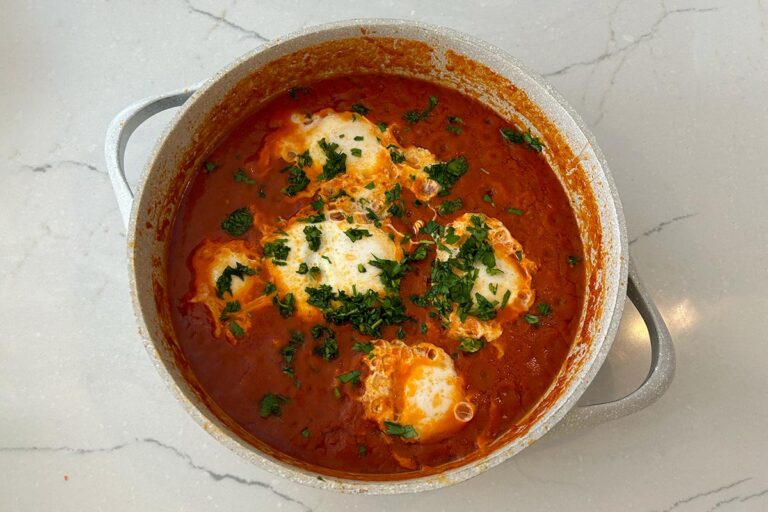
Still in Yaffo, cooking shakshoukah at Dr. Shakshuka’s.

image-shakshoukah

The Lilac Lady. I wonder what event she was all dressed up for. A grandson’s bar-mitzvah? A wedding? Or does it take her fancy to dress like that every day, because she’s old enough to do what she dern well pleases?

image-lilac-lady

I couldn’t believe what I was seeing. Do people still fall for this ancient scam? It’s a variation on the shell game, which has gulled the naive (and the greedy) into parting with their money for centuries.

image-the-shell-game

This elderly Russian lady must have intense stories to tell, but we couldn’t talk because she spoke only Russian and Yiddish. She was selling chocolate rum balls she’d rolled up at home – koosher, she assured me. I paid whatever she asked for them, my heart squeezing in my chest. I hope she has someone to go home to at night, and that they love each other.

image-elderly-woman-Israel

The lively Greek music coming from this Levontin Street bar caught my attention. Then I saw the guys sitting and having a little arak together there, and I really had to snap. They were amused at my interest and at my American accent – probably figured me for a tourist – and allowed me to.

image-arak-drinkers-Israel

I like to see friends together.

The organic market at the renovated Tel Aviv train station. This guy gave me such a knowing smile from behind his lettuces that I got embarrassed. Well, his dreads are cute.

image-man-with-dreadlocks

I bought hot fresh chickpeas from this man on one of my trips through Shuk Mahaneh Yehudah in Jerusalem. Did I seem impatient to him? He’s giving me the classic Israeli signal for “wait a second” – tips of fingers bunched together and the wrist turned.

image-shuk-vendor

Far from the shuk’s bustle and noise, chef Moshe Basson shows how to make fresh za’atar pesto. I admire Moshe for his dedication to native foods and traditional Israeli cuisine, and for his partnership in Chefs for Peace. I guess if I have a food hero, he’s it.

image-making-za'atar-pesto

What do you see in this man’s smile?

image-butcher-tel-aviv

He’s a butcher in Shuk Ha Carmel, Tel Aviv. He’d come to shoot the breeze with the lady below. They’re childhood friends, he said. He scolded her for smoking. She heard him out tolerantly.

Then she said, in a hoarse, cracked voice: “He worries because I just finished a round of chemotherapy.”

image-wrinkled-woman

A fast-food stand in the Shuk Ha Carmel: two brothers sell majadra, soup, and salads. I couldn’t find a good angle for the food photos, so I snapped one of the brothers.

image-shuk-ha-carmelThis drink of coffee covers his thoughts up, but doesn’t hide the challenge in his eyes, or his tough stance.

I know that many market vendors suspect photographers of working for the income tax authorities. I’ve given up trying to explain that I’m just a Jewish matron and a food blogger. Eventually they just trust (sometimes my American accent works in my favor).

This is a Tsfat photo. Yaacov sits outside an electrical appliance store, selling blue bead bracelets against the Evil Eye. When you buy, he gives you a sure-fire blessing that’s guaranteed to fix you up in life. But – you must be proactive. Yaacov will tell you which Psalms to say, and at what time of day, because you must do your part too.

image-elderly-man-Israel

No pictures of kids…I have many, but feel tender about exposing their little faces on the Internet. More men than women – that’s natural, since there are more men vendors in the shuk and on the street. And some of my favorite shots stayed in the archives. Well, it’s a long enough post for right now. Sometime I’ll show you the best of the rest.

Related Posts with Thumbnails

© 2012 Israeli Kitchen Suffusion theme by Sayontan Sinha