Don’t get me wrong. I adore dairy foods, more than what’s good for me.  But it seems that the great dairy festival that’s Shavuot is as hard to take as the Purim’s junk food orgy. The day after Shavuot, the entire country loses productive time dealing with dairy overload.

Listening to a few friends’ menus, I notice lots of dishes loaded with cheese, and lots of starchy foods – most of them stuffed with cheese. Bourekas, blintzes, and lasagna, all at one meal. Even salads must have cubes of feta on Shavuot, apparently. I mean – I often fix a big salad dotted with feta. But lasagna followed by eggplant parmesan followed by cheesy baked potatoes followed by…a big stomach ache. Where’s the balance here?

The Israeli dairy industry depends on everyone buying lots of soft and hard cheeses for Shavuot. They push dairy as hard as they can in their advertising. And I must say that many of the recipes they provide look divine. I love dairy, darn it. And carbs, I love carbs too.

Darn it.

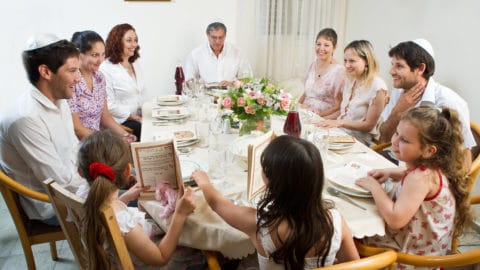
Three factors keep my Shavuot menu cheese-moderate. One is, my son-in-law’s custom is to eat two meat meals on Shavuot and keep the dairy only for the third meal, at the evening of Shavuot day. Since my married daughter and her family spend every Shavuot with us,  I honor his custom.

Another is that my husband, who also loves cheese, can tolerate only small amounts of dairy.

And then, there’s my own feeling, as explained above.

But don’t get me wrong – there will be dairy on the table.  I bought an irresistible chunk of sheep’s milk Tomme for holiday cooking and post-holiday eating. The grownups look forward to my New York cheesecake, so I’m baking one. I made a strawberry ice cream to indulge my little grandsons, who I know will ignore the cheesecake. That’s it.

The menu for the one dairy meal (subject to change at my whim):

  • Challah
  • Choumous
  • Stuffed vine leaves (hand-made but bought at the shuk)
  • Sliced tomatoes with an herb vinaigrette, and plenty of sliced cucumbers for the little ones
  • Orange-glazed salmon
  • Eggplant casserole, which nobody but Husband and I will eat
  • Spinach quiche for the eggplant haters
  • New York Cheesecake - strawberry ice cream

Here are more suggestions for Shavuot. Enjoy, and eat in good health!

Soup:

Potato-Leek Soup

Mushroom Soup

Artichoke and Mushroom Soup

Baked Dishes:

Spinach Gratin

Qeijadinhas, Brazilian Cheese Tartlets

Cheese-Stuffed Tomatoes

Rice:

Risotto with Nettles and Carrots (substitute spinach for nettles)

Fish and Eggs:

Fish Baked in a Walnut Crust

Grilled Fish in a Spicy Lemon Marinade

Shakshouka, Mimi’s Way

Bread:

Herbed Cheese-Swirl Bread

Desserts

Rice Pudding With Drunken Raisins

Flim-Flam Flan

Malabi, Middle-Eastern Milk Pudding

and the very best for last…

Wicked, Wicked Cheesecake with Dulce de Leche and Whisky Glaze

artichoke and mushroom soup

Truth is, this recipe works fine for Passover too. But while I’m telling the truth – I’m frankly relieved to have done with the endless shopping, cooking, serving, and washing up that was this year’s Passover. The last stray fork is back in its box, we’ve repacked all the dishes and cookware – everything is safely stored away till next year. Now I can put the word “chometz” out of my mind for another 11 months.

And it’s springtime. Spring in central Israel lasts a couple of weeks at the most, but we’re enjoying fresh winds and a prolonged cooler-than-usual feeling.  Evenings are chilly. Soup is still a good choice.

I’m a little embarrassed to admit that I made this soup with frozen artichoke hearts. Fresh artichokes have been in season for many weeks, and we have been eating them – but I had this bag of frozens…and a little basketful of mushrooms…and a craving for a simple soup. So I cooked. And it’s good – very good. The faint taste of lemon and a final swirl of butter complement the artichokes perfectly.

Artichoke and Mushroom Soup

Serves 6

Ingredients:

8-12 frozen artichoke hearts (a 400-gram bag)

1 onion, chopped

1 teaspoon salt

1 cup of chopped fresh mushrooms, setting two handsome ones aside for decoration later

3 tablespoons oil

2 garlic cloves, peeled

a pinch of thyme

2 teaspoons lemon juice – or just a hearty squeeze from a cut lemon

1 bay leaf

salt and pepper

2 cups of milk

3 scallion sprigs, chopped

6 teaspoons of butter

Method:

1. Put the oil, the onions, and the salt in a soup pan. Sauté the onions till they’re just wilted.

2. Add the mushrooms, minus the two set aside for later.

3. Add the artichoke hearts. They can go in whole – they’re rock-hard when frozen.

4. Season with salt and pepper; add the bay leaf.

5. Cook everything over medium heat for 10 minutes, stirring.

6. Add water to cover the vegetables, and the lemon juice.

7. Bring to a gentle boil, lower the flame, and simmer the soup for 30 minutes.

8. Test the artichoke hearts for done-ness by piercing one with a knife. If it’s not entirely cooked, give it another 5 minutes.

9. Remove the bay leaf. Add the thyme. Remove one whole artichoke heart and chop it into coarse dice, reserving it for later.

10. Blend the soup. The longer you blend it, the thicker it will become. But it won’t become very thick.

11. Stir the milk in. Cook for 10 minutes and taste for seasoning. Add salt and pepper to taste.

12. Put the chopped, reserved artichoke heart back into the soup. Slice the reserved mushrooms and add them.

13. Cook another 2 or 3 minutes – just long enough to cook the mushrooms through.

14. Swirl a teaspoon of butter into each bowl as you serve. Scatter chopped scallions over each serving.

Close your eyes, inhale that artichokey aroma, and eat the first spoonful. Delicious.

two mushrooms and an artichoke heart

artichoke and mushroom soup cooking

Swiss chard stuffed with mashed potatoes

Ah, leafy greens. And since it’s Passover, potatoes. Together, a savory vegetable dish to round out the holiday menu.

I like this plain and pareve, myself, but if needing to use up leftover chicken, I’d dice up a cupful and add it to the filling.

Or if I needed a dairy dish, I’d add a cup of firm cheese, likewise diced. The tomato sauce agrees with both, while the mashed potatoes bind extra ingredients together.

One of the pleasant things about working with Swiss chard is that you don’t need to soften the leaves in brine or in boiling water, as with grape or cabbage leaves. Just cut off the hard white stems (save them for soup) and roll the flexible green part up once its filled. The packages don’t look tidy and cigar-like, but you can say that the look is rustic.

Swiss Chard Rollups

serves 6

Ingredients:

1 large bunch Swiss Chard – about 8 leaves.

3 medium potatoes, cooked, mashed, and seasoned with salt and pepper

2 medium onions, chopped

3 ripe tomatoes, peeled and chopped coarsely

3 cloves garlic, crushed

olive oil

juice of 1/2 lemon

1/4 cup water, stock, or dry white wine

1 sprig of thyme, or 1/2 tsp. dried oregano

1 bay leaf

salt and pepper

Method:

1. Cover the bottom of a skillet or shallow pan with olive oil. In it, fry the onions till golden. Reserve half of the onions and keep the other half in the skillet, maintaining a medium heat.

2. Add the chopped tomatoes, thyme or oregano,  bay leaf and garlic to the skillet. Stir.

3. Add the 1/4 cup water and the lemon juice and stir again. Cover the skillet and let the sauce form over medium-low heat.

4. Add the reserved onions to the mashed potatoes and mix well. Taste for seasoning.

5. Spread a leaf of Swiss chard on a flat surface, shiny side up. Place a tablespoon (or two, if they fit) onto the broad, stem end and roll it up, tucking the sides in as you go. Do this for each leaf. If you have scraps of leaf, you can put them together, fill them, and roll up as if they were one.

6. Place the rolled leaves in the simmering sauce. Cover and cook over medium-low heat for 30 minutes. Check once or twice to make sure the dish isn’t drying out – if it looks as if it might, add a little water (or stock, or wine).

Serve and eat in good health.


Spent the entire day at Ichilov Hospital, Tel Aviv, accompanying a friend who underwent brain surgery. She’s recovering and doing well, thank G-d, but I came home sort of wound up. To empty my mind and let the tension go, I clicked on some links on my own blogroll, and re-discovered this quirky, eclectic, Yiddishist blog  – In Mol Aran.

The Chocolate Lady doesn’t post often, but her Pesach Survival Guide is wonderful. If you like humorous, useful foody prose laced with Yiddishisms – go there, gentle reader, go there.

chicken soup with matzah balls

Shmaltz is something I make only once or twice a year, although it was the fat of choice for my Russian Ashkenazi ancestors.  In the freezing winters of the Ukraine, they needed a layer of fat to keep warm. On the other hand, people were far more active physically than most of us today. They worked the calories off chopping wood for the stove, drawing well water, making and repairing everything by hand, and walking everywhere.

Every scrap of fat was precious, and not just for eating. My father told me his great-grandmother would skim all cooking fat off, keep it frozen outside all winter, and make soap from it come spring.

Goose or chicken  shmaltz was also a home remedy for pneumonia. Rendered down with plenty of onions and allowed to cool, it was  massaged into the chest and back of the sick one, who was then well wrapped up and kept warm. Sounds disgusting? But the onions draw out fluid and mucuous, relieving the racking cough, while the heat generated by the fat and the wrappings made the patient sweat – bringing down high fever. It was what people had, in those days before penicillin. Better to spend a few days in a fug of oniony shmaltz and hopefully survive.

And people loved the taste of shmaltz – a shmear on bread or matzah, a tablespoon in the pan to start the cooking. We, who monitor our weight and heart health, have almost forgotten what it is. But I have a throwback nostalgia for it. I’m convinced that no other fat gives matzah balls that old-fashioned taste. So at Passover time, I take the fat off two chickens and render it down with onions. The yield is usually just enough for one batch of matzah balls.

The rest of the year, if I get a yearning for matzah balls, I use olive oil – but the taste isn’t the same.

There’s hardly a recipe. Take the raw fat and fatty skin off two or three chickens, or shnorr some off your butcher. Put it in a pan and cover it with cold water. Cook it over a medium flame till all the water has evaporated, and the skin is golden. Then chop an onion and add it to the pot. When you hear crackling and the skin and onion are dark brown, the shmaltz is ready.

shmaltz

Strain it, setting the chicken cracklings aside – the Yiddish name for them is gribbenis. (You can stuff matzah balls with them or add them to a kugel. Or just salt them and eat them as a guilty treat.)

Now, make your matzah balls.

Here’s the typewritten matzah ball recipe my Dad gave me, lo these many years ago: I think he took it from Jewish Cookery, adding his banana bread recipe at the bottom (the bread is obviously not kosher for Passover). It has his characteristic humorous tone. I depart a little from the recipe by adding 1/2 teaspoon freshly grated ginger.

matzah ball recipe from Jewish Cookery

Old-Fashioned Matzah Balls

Ingredients:

2 eggs, beaten

4 tablespoons shmaltz or other fat

1 scant cup matzah meal

1/4 – 1/2 cup water

1 teaspoon salt

1/2 teaspoon freshly grated ginger (optional)

Method:

1. Combine the beaten eggs, shmaltz, and matzah meal.

2. Add 1/4 cup water, salt, and ginger.If the mix seems stiff enough to roll into a hard ball, add more water by tablespoons till it’s a stiff batter, not a firm dough.

3. Cover the batter and put it in the fridge for 2 hours. This step is important if you want light matzah balls. The batter can rest in the fridge even longer – even overnight. It will become a dough firm enough to shape, but still a little loose in the hand.

4. Have a medium pot with plenty of boiling, lightly salted water ready. With wet hands, form walnut-sized balls of dough, and drop them in.

5. Cover and cook the matzah balls over a medium flame for 30 minutes. Lower the heat so that the water simmers after the initial boil – you don’t want the boil to destroy your little treasures.

6. Remove the matzah balls from the water and either set them aside for later or put them in your soup right away.

As  Dad noted, they can be cooked directly in the soup, but don’t come out as light that way.

Nice to cook something exactly the way our ancestors did it two centuries ago. Who knows, maybe even longer?

Some don’t eat garlic on Passover, to show that they are not among the kind of folks who wanted to return to slavery in Egypt. Wandering in the desert, harvesting that same old mannah every morning and evening, the unbelievers complained that they  missed “the cucumbers, leeks, and garlic” of the good old days under Pharaoh.

Well…if you know me a little, you know I love garlic, a lot.  I’m just glad my tradition accepts garlic on Passover. Reader Jasmine, commenting on my recent garlic-love post, sent a link to an article discussing the hazards in garlic imported from China. This sent me off on a search for up-to-date information, which I wrote about for the Green Prophet blog.

When you go out shopping and reach for a package of those nice white bulbs, give a thought to what I wrote in this post.

Just to spoil it for you, the moral of the story is: buy local!

orange-glazed salmon and stuffed tomatoes

Salmon and orange, there’s an interesting combination for you. I think this dish would make a welcome change from gefulte fish at the Seder table, if you want to depart from the old-fashioned Eastern European tradition.

I confess – I’ll be making gefulte fish. Husband would feel sad if  that were missing, I know. And I like him too much to make him sad.

But I do plan to serve this salmon, and the cheese-stuffed tomatoes, during Passover week. Both recipes are fast and easy and need few ingredients. To round out the dish, try the garlicky potatoes I made the other night.

Orange-Glazed Salmon Fillets

Adapted from AllRecipes.com

serves 4

Ingredients:

4 salmon fillets – about 1 kilo – 2 lbs.
1 cup freshly squeezed orange juice
1 -1/2 teaspoon fresh-ground ginger root – or 1 teaspoon powdered
2 teaspoons balsamic vinegar -  or use another vinegar if balsamic isn’t available for Passover

Method:

1. Preheat oven 400 ° F – 200 ° C.

2. Cook the orange juice over medium heat for 15 minutes, stirring occasionally.

3. When it’s reduced to half and thick, stir the vinegar and ginger  into it.

4. Have a baking pan ready and lined with baking paper. Put the salmon fillets down on it, skin side down. Sprinkle the flesh with salt and pepper. Pour 1/4 cup of the orange juice over the fillets.

5. Bake the  salmon 10 minutes.

6. Drizzle the rest of the juice over the fillets and continue baking 10 to 15 minutes. When the flesh breaks off in rosy flakes, it’s done.

7. Remove the salmon to a warm platter, or cover it and keep it warm on the stove top. Now reduce the roasting juices by letting them cook another 5 minutes at the oven’s highest temperature. When the juices are thick, spoon them out and spread them over the fish.

Serve.

This dish is good cold too, if you have leftovers.

Cheese-Stuffed Tomatoes

adapted from Al-HaShulchan’s Sukkot 2009 Magazine

Serves 4

Roast tomatoes stuffed with cheese

Ingredients:

4 large tomatoes

1/2 cup feta or other salty, medium-firm white cheese

1/2 cup any blue-veined cheese

1 long green onion (scallion)

8 black olives, pitted and halved

2 tablespoons matzah meal

a pinch each of salt and pepper

a pinch of dried thyme or oregano, or any dried herb of choice

1 tablespoon olive oil

Method:

Preheat the oven to 350° F – 180° C.

1. Cut the tomatoes in half, from the stem end down. Squeeze out the seeds and gel. Place them, cut side up, on a baking tray lined with baking paper.

2. Chop the cheeses into dice and mix them up.

3. Chop the scallion and mix it into the cheeses.

4. Stuff the cavities of the tomatoes with the cheese.

5. Place 2 halves of olives on top of each tomato.

6. Mix the matzah meal with the salt, pepper, and dried herb. Sprinkle this over the tops of the tomatoes.

7. Drizzle the olive oil over all.

Roast for 30 minutes. There will be some liquid on the bottom – spoon it over the tops of the tomatoes when you serve.

I love fresh garlic. The season is short, just three weeks, and then the purple-streaked bulbs disappear from the market. I rush to buy my yearly 10 kilos, and shlep all that fragrance home in a taxi because I’m afraid that if I get on the bus with it, I’ll have to pretend I don’t notice all the dirty looks from 20 fellow passengers. Even so, the taxi drivers usually open all the windows. Never mind. I’m the one whose whole apartment reeks for a week, until the garlic dries.

So why do I buy all that garlic, and what do I do with it? Well, have a look at the post I wrote about garlic last year. Just about everything I cook has garlic in it. I detest the expensive imported Chinese stuff that goes sprouty a few days after buying it. I like to buy locally grown garlic that lasts ten months. I buy so much because I know there will be some loss – by the seventh or eight month, some  will go bad and have to be thrown out. And – fresh new garlic is so delicious.

Follow the link above for ideas on how to eat this seasonal treat. And here’s my panegyric on roasted garlic.

Fresh garlic cloves, being juicy, don’t burn and turn bitter as fast as dried garlic does when you’re frying. This evening we enjoyed simple garlicky potatoes made like this:

A handful of baby potatoes, washed, sliced in half horizontally, and steamed till just tender.

1/2 a red onion, thinly sliced

6 entire cloves of fresh garlic, peeled

Olive oil to cover the bottom of a non-stick frying pan

Salt and pepper

I fried the onion slices over medium heat till wilted, then drained the potatoes, and added them to the pan. When the potatoes began to take on a golden color, I added the whole garlic cloves. Sprinkled salt and pepper over all. Shook the pan once in a while to ensure that the potatoes and the garlic would become golden 0n all sides. The onion became crisp and stringy. When the potatoes were cooked through and had acquired a golden-brown color, the garlic cloves were also done. I served. There were none left to photograph.

On Passover, when it’s one potato, two potato, three potato at almost every meal, that easy but interesting recipe might come in handy.

I compiled a list: Recipes of Passovers Past. And here it is. Next week, and through the holiday, I’ll be posting more.

Enjoy!

Roast Chicken with Oyster Mushrooms and Matzah Stuffing Sumptuous stuffed and roasted chicken.

Passover meat-stuffed potato patties

Meat-Stuffed Potato Patties Especially popular with kids.

Garlic Chicken Bites I do only easy cooking on Passover. This recipe qualifies.

Now this wasn’t posted for Passover, but it’s an excellent, easy dish that work for the holiday. Curried Turkey Salad

Passover-SoupSpinach Soup with Roasted Garlic – a light, interesting soup.

Sweet Potatoes Roasted in Date Syrup – an easy vegetable dish.

Herbed Cheese Matza Brie Bubeh never had it so good.

Passover-potato gnocchi

Potato Gnocchi Can I live without gnocchi for one whole week?! No – but here’s a Passover recipe.

Kugel Crust for Quiche I was pleased to discover that quiches are possible on Passover.

Passover-broccoli-kugel

Broccoli Kugel Without Matzah Meal Get those veggies into them.

Potato-Starch Noodles Straight out of Eastern Europe ca. 1890. But still good, still good.

Passover-sorbets

Sorbets Light, refreshing, and fruity.

Fruit Soup After a big holiday meal, fruit soup goes down easy and satisfies the sweet tooth.

Passover almond-lemon macaroons

…and thanks to Mrs. S., I’m including the link to scrumptious almond-lemon macaroons.

Lots of links to Passover recipes and Passover issues on this month’s Kosher Cooking Carnival. Check it out, you’ll get inspired.

Related Posts with Thumbnails