Tu B’Shvat, the New Year of the Trees, falls on Friday night, the 29th of this month – this coming Friday. It’s an agricultural holiday, marking the cutoff date by which to calculate the age of a tree. As Jews may not eat fruit of a tree less than four years old, we need to know its age. Another important issue with regard to a tree’s age is tithing the fruit: one may not bring tithes of fruit from the previous year as this year’s tithes. There are more, complicated halachic issues, but they are outside the scope of this blog. Follow the links below for more information.
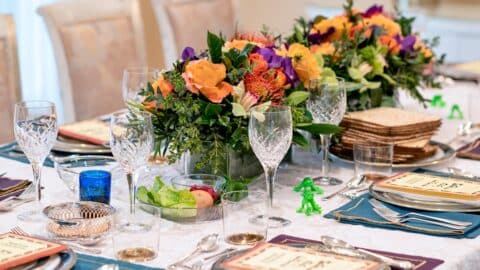
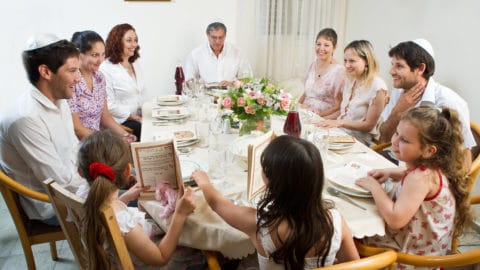
There is a custom, dating from the 1600s, to hold a seder to honor this minor holiday; a seder similar to Passover’s. Although Jews continued the custom of eating fruit from Israel on the day, observance of the seder lapsed. It was revived in Israel in the late 1800s and has since then taken hold in Jewish homes and congregations all over the world.
It’s a short, pleasant ceremony that involves eating fruit and drinking four cups of wine (or grape juice), always accompanied by the blessings and some meditations on the meanings of these symbolic acts. The seder is easily incorporated into the Shabbat meal. Kids love it, and so do grownups. For people living outside of Israel, it refreshes the connection with the land of Israel. Actually it does so for those of us living here too, especially those living in towns and who seldom think of our deep relationship to the land.
There are different takes on Tu B’Shvat. Many religious folks interpret the holiday according to the Kabbalistic tradition set down by Rabbi Yitzak Luria. Secular people might prefer to emphasize the relationship between man and ecology on this day. Some observe the seder through a feminist perspective. Vegetarians and those who hold by the macrobiotic way of life especially enjoy this holiday. But as loose as the guidelines may be, everyone needs a plan to follow, so here are links to Tu B’Shvat seder haggadot: booklets providing a framework for the event.
- A kabbalistic TuB’Shvat haggadah
- A family-oriented haggadah
- A haggadah concerned with man and ecology
- A feminist haggadah
Planting a tree is a popular Tu B’Shvat activity in Israel; this is usually done through organized trips managed by schools, community centers, or the Jewish National Fund.
The simplest way to present foods appropriate to the day is to set out plates of dried fruit and bread. Featured should be the seven species of fruit and grains native to Israel and which were offered in the Holy Temple of Jerusalem:
- Figs
- Dates
- Pomegranates (you can use pomegranate molasses to season a dish, or drink bottled juice if the fresh fruit isn’t available)
- olives
- grapes or raisins
- wheat – as bread
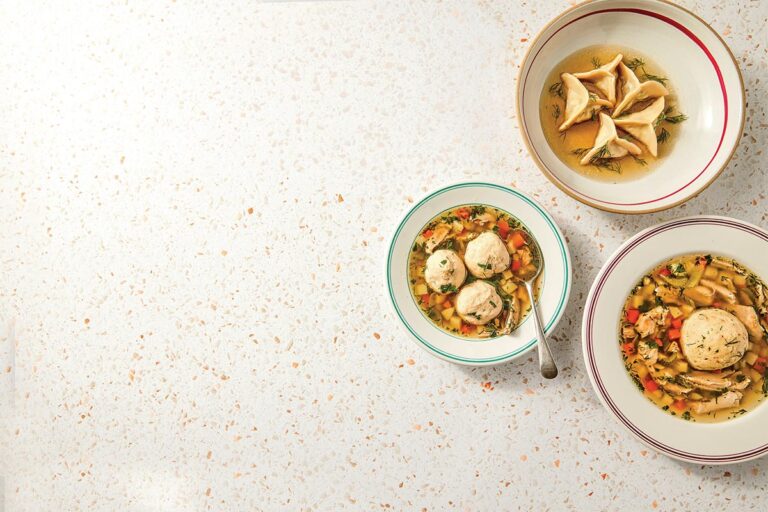
- barley – I suggest a soup with barley in it: mushroom/barley or chicken soup with barley in it, or pea/barley.
At least one kind of nut with shells, like walnuts or pistachios should be on the plates, as well as fruit with peels like oranges, fruit with edible seeds like strawberries, and fruit with inedible seeds like plums. Each kind has symbolic meaning (discussed in the haggadot, links above).
If you can’t tolerate four cups of wine, it’s fine to drink grape juice. Whichever you use, you need dark red, light red, pink, and white wine or juice. I have white and red wine on hand and just mix at the table, but if you like you can certainly buy all four kinds.
Here are some recipes that feature fruit, bread, and olives:
- Roasted, Fruit-Stuffed Chicken for Tu B’Shvat
- Tajine of Turkey with Dried Fruit
- Chutney
- Sweet, Light Challah
- Honeyed Challah
- Turkish Salad
It’s not too late to plan a Tu B’Shvat seder at home, or even to join a tree-planting trip. Mark the day in the way that appeals to you most.
What are you planning to do for Tu B’Shvat?

Follow me on Twitter