image-soup-chicken-dumplings

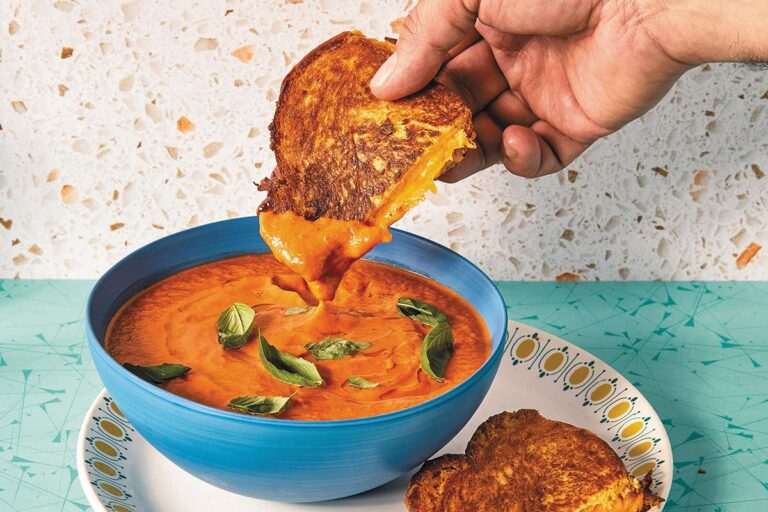
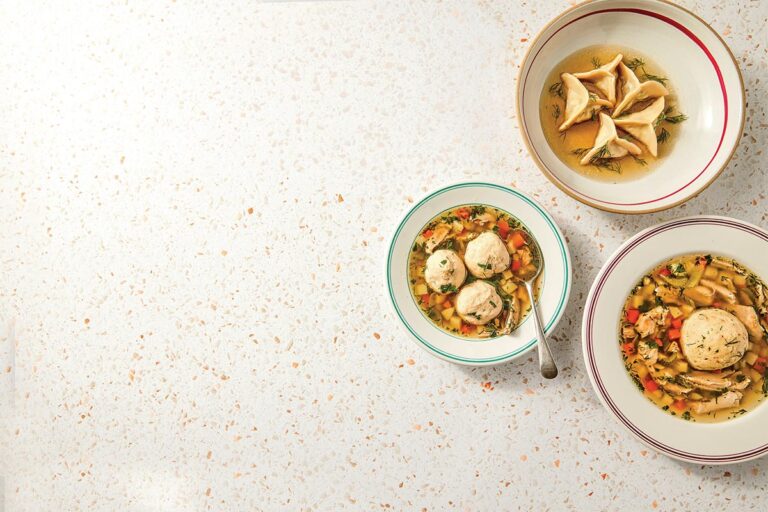
It’s soup weather, no doubt about it. Even if Israeli skies are blue, it’s cold out there. And what I want to eat when it’s cold out, is soup. A flexible recipe, please, a soup that accepts lots of variations but always tastes good. And, while I’m at it, one with chicken and plenty of green herbs and vegetables.

Continue reading »


chicken-on bed-onions

I had this chicken that needed cooking. But I was bored with all my usual recipes. I stood in my kitchen, revolving ideas around in my mind. Nothing doing; empty head. Well, I do have a lot of cookbooks. Why not open the cabinet where I keep them and get a recipe?

Nah. Too logical.

So I stood there with a blank mind until my hand, obeying some part of my brain still responding to self-preservation, opened the cabinet and  pulled out Elizabeth David’s “Mediterranean Cooking.” All kinds of good chicken recipes there. One was so simple and attractive, I just had to make it. Of course, once I got the chicken into the roasting pan, I had to potchkey it up with more seasonings. But I don’t think Ms. David would have disapproved – the result was so delicious.

Continue reading »


image-chicken-hamine

Slow-cooked food has been my solution to busy days recently, like last post’s slow-cooked salmon. But could there be such a thing as a weekday overnight stew? This overnight stew is as homey and comforting as a cholent, but it’s much lighter. It’s convenient, too. The ingredients are basic and may not even require your going shopping, if you have chicken in your freezer. A good fix-ahead for cold weather, like leaving a crock pot simmering away while you’re out doing things.

Only this, you fix the night before and just let it sit all night and into the next day. Or if you prefer, cook it for 4 hours at a higher temperature in the morning, to eat at lunchtime.

Continue reading »


image-stuffed-mulberry-leaves

By this time of the year in Israel, it’s hot and dry. You need sunblock just to walk to the bus stop.  The empty lot that in spring was lush with waist-high tangles of wild greens looks empty, sandy and dour. A car driving through raises clouds of dust. The bottle of cold water in my hand becomes warm almost before I can drink it.  It doesn’t look like there’s any wild stuff out there to bring home.

But once foraging is in your blood, you’re unconsciously taking note of every living thing you walk past. Look over there – the neighbor’s passiflora vine is dripping with green egg-shaped fruit. Glimpsed behind garden walls, trees have already put forth hard little lemons and oranges. Purslane is out on the ground, a delicious salad vegetable when picked young and tender.

image-mulberry-tree

And there are the mulberry trees.  In my neighborhood, every block or so has its mulberry. Their branches were picked clean by boys and birds a few weeks ago already – and by me. I picked about 5 kilos of dark-red berries to make wine, this spring. But there’s still a harvest in the trees, one that few people know about anymore.

Mulberry leaves aren’t just for silk worms. Dried and crumbled, they make a mildly sweet medicinal tea that’s said to bring down blood sugar. And you can stuff them, like grape leaves.

A nice large handful of medium-sized leaves was enough for one kilo of spiced and seasoned ground lamb. The crisp, dark-green bundles with their juicy meat filling were about the size and length of my thumb.  We ate them hot on Shabbat. The cold leftovers were almost as delicious.

If you have a mulberry tree in your neighborhood and feel inspired to try stuffing the leaves, let the tree keep the biggest ones. They tend to be tough. Pick tender, medium-sized leaves. Very small new leaves are fine too. I think they would make great little appetizers or party fare – less filling than traditional stuffed grape leaves.

My potted plants supplied the fresh herbs for seasoning, but lacking fresh, use dried. Just not basil – there’s no flavor in dried basil. Substitute parsley.

image-stuffed mulberry-leaves

It took about half an hour to fill 35 leaves, but then I was alone. Next time I might shanghai the Little One to stuff leaves with me.

Or not.  I enjoyed filling and rolling the leaves, securing each bundle with a toothpick. It was a little fiddly at first, but I got the hang of it, and what with the radio playing hot jazz and the fan blowing cool air, the work was fun.

Against the time when the trees will have shed their leaves, I picked extra and froze them in sealed plastic bags.

This recipe is less fussy than leaves stuffed with a rice mixture and cooked in a sauce. First, though, go out and pick around 40 mulberry leaves. Rinse them of dust and check for bird droppings or insects. Dry gently. Some will rip, so I advise to pick those 5 extra, just in case.

Lamb-Stuffed Mulberry Leaves

printable version here

Yield: about 35 stuffed leaves. Enough for 4 dinner servings or 35 appetizers.

Ingredients:

1 kg. ground lamb or other firm meat

1 egg, beaten

1 medium onion, chopped fine

2 cloves garlic, smashed and minced

1 tablespoon fresh basil, chopped fine

1 teaspoon fresh oregano or za’atar, chopped fine

1 teaspoon fresh thyme leaves

1- 1/2 teaspoon salt

1/2 teaspoon ground black pepper

juice of 1 large lemon

2 tablespoons olive oil

More sliced lemon for serving

Method:

Preheat the oven to 350° F, 190° C.

Mix all ingredients except lemon juice and olive oil. Knead the seasoned meat with your hands to mix everything very well.

Line a baking tray with parchment. Place a leaf shiny side down. Take a tablespoon of meat and roll it into a patty in your palms. Place it on the wide end of the leaf. Add a little more meat if it looks skimpy; pull some out if it looks like too much for the leaf to cover.

image-stuffed-mulberry-leaves"/

Roll it up. Don’t be concerned about the sides being open; you won’t get a perfect rectangle with the sides neatly tucked in as with stuffed vine leaves. The patty will become slightly elongated in rolling. Secure the pointed top with a toothpick.

Mix the lemon juice and olive oil in a little bowl. Drizzle it generously all over the tops of the stuffed leaves.

Bake for 15 minutes if you want them juicy. There will be a certain amount of natural drippings in the pan – pour it out when you’ve removed the stuffed leaves, and pour it over them.

If you want a crisp wrapping and somewhat drier filling (good for handing around at a party or for a snack), bake 20 minutes.

Serve with sliced lemon for squeezing over the hot or cold leaves. Rice or bulgur or couscous is nice with these savory little packages. Beer or a chilled wine too.

Ahh…summer in the Middle East.


image-boeuf-bourgignone

Yes, of course I took the recipe from Julia Child’s Mastering the Art of French Cooking (find it on my recommended books list, over there on the right). The book, in two volumes, was a gift from my journalist sister Dina when I visited her in Calgary. The sales lady had to search the store for the complete set because  there’s been a run on Volume I, the one with the boeuf bourguinon recipe, since the Julia and Julia movie was released. Well, I wanted both books, to work my way slowly through the kashrut-adaptable recipes. Which might take years.

Meantime, I’m with boeuf. It’s a handsome dish for Shabbat or Yom Tov, and I’m thinking that substituting fine (cake) matzah meal for the flour, it will be an excellent dish to serve on Passover.

Julia Child would have OK’d the changes I made to her recipe, I think. Reading her autobiographical My Life in France (also recommended), a sense of her warmth and humanity rises from the pages like the scent of good cooking. I’m sure she understood about kosher dietary restrictions. And after all, that’s how Jewish cuisine evolves, by adapting local recipes to kosher standards.

If you want to be historically accurate, boeuf bourguignon must be cooked with bacon. That’s no option for kosher cooks, but there is an umami-contributing alternative: shmaltz. (Here’s how to make that wonderful, fragrant, old-world shmaltz.)

Other flavorful ingredients in this potchkeyed recipe include soy sauce and dried mushrooms. More garlic than Julia called for, but then, I must have a constant high level of garlic in my bloodstream or I start feeling…pale. Or something.

Notes:

  • Use beef with some fat running through the flesh. I buy shoulder. Here in Israel it’s the no. 5 cut.
  • While Julia’s recipe instructs you to drain the bacon fat, I find that you should keep the shmaltz to brown the vegetables. The dish is not at all greasy, although you can certainly draw a couple of paper towels over the surface when it’s done to get rid of  fat.
  • I use an entire bottle of  dry red wine as the cooking liquid. The classic recipe calls for veal stock but since I cook so little beef, I don’t keep it around. Sometime, I might try chicken or turkey stock, but meantime, wine makes a rich, flavorful sauce. Only dry red wine, please, and while it shouldn’t be plonk, it shouldn’t be an expensive bottle either.  (Israelis -most  Segel brand wines are inexpensive yet drinkable  – I usually use one of those  or another in a comparable price range.)
  • I don’t strain the sauce, although maybe I should. Nobody’s complained yet.
  • If you leave the soy sauce out and substitute fine (cake)  matzah flour, this is an impressive and easy dish to serve on Passover.
  • Alright, so I usually leave out the classic fresh sautéed mushrooms and cooked whole small onions that go into the pan almost just before serving. But if you want to, cook 18-24 pearl onions in stock and sauté 500 grams – 1 lb. fresh, thickly sliced mushrooms in olive oil. Add them to the pan after step 7.

What I can say is that everyone who eats this dish likes it. And after you’ve made it once, you’ll see how easy it is. Putting it together takes maybe half an hour, then the oven does all the work. It’s delicious re-heated too.

Kosher Bœuf Bourguignon

printable version here

Serves 4

Ingredients:

1 kg. – 2.2 lbs. beef, cut into large cubes

2 tablespoons shmaltz

1 tablespoon olive oil

1 large carrot, peeled and thickly sliced

1 large onion, sliced

1 teaspoon salt

1/2 teaspoon freshly-ground black pepper

2 tablespoons flour or fine matzah meal

1 750-ml. bottle of dry red wine

1 tablespoon tomato paste

1/2 cup dried, sliced Porcini or other mushrooms

1 tablespoon Tamari soy sauce

2 bay leaves

1 large sprig fresh thyme or 1/2 teaspoon dried thyme

4 cloves garlic, minced

Method:

Preheat oven to 450° F – 220° C.

1. Pat the beef chunks with paper towels to dry surface moisture.

2. In a large, heavy pan, melt the shmaltz. Add the olive oil. Let the fats get quite hot.

3. Sauté the beef chunks in the hot fat, a few at a time. Turn them over so that all sides brown.Remove the browned beef from the pan to a platter. I use tongs for this.

4. Sauté the onion and carrot in the same pan for about 5 minutes. Return the beef to the pan and sprinkle salt and pepper over everything. Mix with a wooden spoon. Sprinkle the flour over all and mix again.

5. Put the uncovered pan in the oven for 5 minutes. Mix the meat and brown it again for another 5 minutes. Place the pan on the  stovetop, over medium heat, and turn the oven down to 325° F – 160°C.

6. Pour the wine into the beef and vegetables. Add tomato paste, garlic,  soy sauce, and dried mushrooms. Stir to dissolve the tomato paste. Place the bay leaves and thyme on top of the beef and push them in a little with a spoon so that they flavor the cooking liquid.

7. Cover the beef and put it in the oven. Cook for 2 hours, then check to see if it’s fork-tender. Let it cook 1/2 hour longer if needed.  When you judge it’s ready, take the stew out of the oven and skim the fat off if liked. Taste for seasoning and adjust. Add optional onions and fresh mushrooms now.

Garnish the stew with a little parsley and serve with plain boiled potatoes, rice, or noodles. Mighty good.


image-meatballs-klops

A long time ago in Eastern Europe, a Jewish housewife stood by her wood-burning stove, wondering what to make for lunch. The kids would be coming home soon, rowdy and hungry.

So much noise they make, like wild Indians, she sighed.  She tied an apron around her waist and put her hands on her hips. How was she going to satisfy the Wild Indians on half a kilo of ground meat?

Klops, she said.

Naturally, there had to be sauce. And plenty of mashed potatoes. The kids loved the klops, stuffed themselves, and remembered them when they left Europe to make a new life in the Goldene Midina. Sons pestered their wives to cook them; daughters served them up “just like Bubeh used to make.” And so the Jewish meatball migrated – or so I’d like to think.

I was never introduced to klops, although my Latina mother makes divine Italian meatballs and good old American meatloaf. Following her style, I add only a few tablespoons of  something starchy to ground meat, more to help it keep its shape than to stretch it out.

Anyway, I always thought of a “klop” as a blow to the head, like how you kill a fish. Maybe it’s because butchers had  to “klop” the meat with a heavy knife to get it fine enough – before there were meat grinders? But there they are, klops.

My friend Mirj sent me a recipe for American-style klops, which I interfered with greatly. If it’s slow-cooked meat, by mir it has to have red wine and Mediterranean herbs. Our Ashkenazic great-grandmothers wouldn’t recognize either recipe, I’m sure, because tomato sauce and wine were luxury items back then. But the rich flavor, the piquancy of onions and the soft texture of the meatballs, I think they would have known. Husband and the Little One gobble this up and ask me to make it every so often, so I guess it’s good.

In fact it’s darn good. And easy to make. Try my klops, they’re almost as good as chicken soup.

Klops in the Crockpot

Printable version here.

Ingredients

The Klops:

1 kilo – 2 lbs. ground beef or turkey

2 eggs, beaten

1/2 cup breadcrumbs

1 tablespoon paprika

3 scallions, chopped fine

1 teaspoon salt

pepper

The sauce:

1 medium onion, chopped

3 cloves garlic, chopped

3 medium tomatoes, chopped

1/2 cup tomato paste

1 cup dry red wine

1 sprig fresh rosemary, or 1/2 teaspoon dried. Or oregano.

1 teaspoon salt

pepper

Method:

Mix the ingredients for the klops well. Set the meat aside, covered, to for the flavors to start integrating while you make the sauce.

In a medium pan, sauté the onion in a little oil till golden. Add the garlic and tomatoes; cook 10 minutes or so till everything is very soft. Add the tomato paste, wine, rosemary, salt and pepper to taste. You should have a thick sauce. Simmer it a few minutes longer.

Wet your hands and form big, flat, plump patties. Place them in the crock pot, and when you run out of room, make a second layer on top.

DSC_1007

Tip the hot sauce over the klops and cook for 4 hours on low. Mirj says that 1 hour on high works well too. Serve with crisp-skinned potatoes or for comfort, mashed potatoes. And to balance, a leafy salad.

Ess gezundterheit!


image-gondi-soup

Meatballs with chickpea flour. They were sitting demurely in a rich chicken broth, on a homely stovetop, in a tiny eatery in the Yemenite Quarter of Tel Aviv.

It looks like a typical home of that part of town. The only thing to indicate that there’s food for sale is a modest sign over the door: Shabbat Takeaway. You walk in and you’re standing in an apartment, in the living room of an apartment, where two women are cooking and serving the foods that their neighbors love. There’s a stove with four burners on your right as you enter, and a table loaded with covered pots off to one side.

Dorit and Nava are good friends who run this tiny eatery. (Dorit allowed me to take photos, but Nava was shy).

image-dona-eatery-kerem-hateimanimimage-dona-eatery-kerem-hateimanim

There are three makeshift tables.

image-dona-eatery-kerem-hateimanim

I sat down to eat at one of them, but it’s really a local take-out place. That means that the food has to be kosher, authentic, and tasty, and inexpensive. (There is no kosher certificate, but I saw for myself that the foods are prepared in a kosher way, with grains checked and all raw ingredients from kosher sources).

Like mafroum (see my recipe for mafroum) . And the fiery chreime – fish poached in a chili-ful tomato sauce.

image-chreime-fish

Stuffed grape leaves and stuffed peppers (recipe for stuffed grape leaves and artichoke hearts here).

image-stuffed peppersDelicate and savory lamb patties.

image-yemenite lamb patties

And the soup that made me float about three feet off the ground – gondi soup.

image-gondi-soup

I lifted the pot lid, peered in and sniffed, and asked Dorit, “How come you’re selling matzah balls to your Sephardic neighbors?”

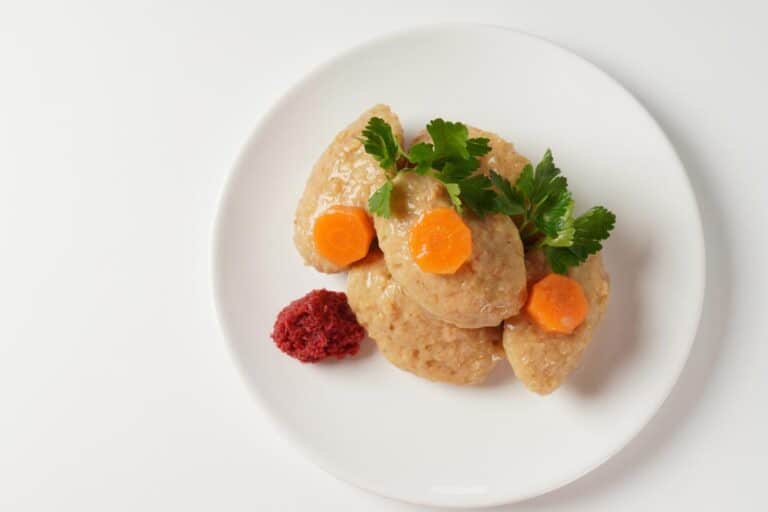
“Not matzah balls. Gondi. Made of chicken and chickpeas,” she said mysteriously. Hm. I’d never eaten gondi. The aroma was so tempting that although I had only intended to spend two minutes photographing the little eatery, I ordered the soup and sat down to eat. Dorit joined me for a moment and told me that gondi was an invention of Iranian Jews. In Israel of course, even Ashkenazim like myself get to enjoy them.

Oh, Mama. It was more than delicious, it was sublime. The meatballs had cooked in a broth rich with carrots and onions and whole chicken pieces. The combination of ground chicken and freshly-ground roasted chickpeas made a light, flavorful dumpling. I don’t normally get obsessed with a particular dish, but the taste of that gondi soup stayed on my mind for a long time after I finished eating.

I culled recipes from books and made it at home for your viewing pleasure. Dorit said that she goes to the Carmel shuk for her chickpea flour – ground from whole roasted chickpeas as she stands there – but  chickpea flour from the health food store also works.

Gondi Soup

Serves 6

Soup

1-1/2 kg (2 lbs) fresh chicken thighs and drumsticks

3 medium onions, peeled but left whole

2 zucchini, peeled and cut into two pieces each

3 carrots, cut into two pieces each

1 teaspoon ground turmeric

2 teaspoons salt

1 bay leaf (not traditional, but good)

1- 1/2 liters water

Put all the ingredients in a large pot. Bring to a boil, then lower the heat and simmer for 1 hour with the lid partly off. Remove the whole chicken pieces for another use (chicken salad, chicken pot pie). Keep the soup simmering because the gondi will cook in it.

Gondi meatballs

2 large onions, chopped finely or grated

500 grams (1 lb.) ground dark-meat chicken

1 cup chickpea flour

1 teaspoon ground turmeric

1 teaspoon ground cumin

1 teaspoon ground cardamum

1/4 cup finely chopped parsley or cilantro

2 teaspoons salt

pepper to taste

1/4 cup oil

1/3 cup water

Combine all the ingredients, mixing vigorously.

Wet your hands to form dumplings about the size of walnuts and add them, one by one, to the simmering soup.

Place the lid over the pot halfway off and simmer the meatballs for 1 hour.

Serve – again and again.

Dona Restaurant

Rechov Rabbi Meir 36

Yemenite Quarter, Tel Aviv

Kosher (without a certificate)

Open 10 AM to 4:00 PM, Tuesdays through Thursdays.

Fridays open till 2:00 PM.

Tel: 052-234-0100


Moroccan Beef Stew w CouscousA Really Nasty Virus infected by my computer last week. It’s still in the computer hospital – I’m temporarily working with a slow and cranky backup. This by way of explaining my long absence from you, dear Reader.

I’m going to show you the beef I cooked up in my tajine last week for Shabbat. After a phone call to my housebound son in blizzardy New York, I thought that for my readers in cold countries, a spicy Middle-Eastern stew is the sort warming, comforting dish that you want when you look out the window and it’s all snow whirling out there. (Here’s another tajine recipe for turkey.) Hard to imagine the extreme cold in Europe and the U.S. when here it’s too warm and dry and we’re still praying for rain. But tajine is welcome in any weather.

For me, beef has to be very well seasoned. In addition, there have to be at least three vegetables in the pot. North African tajines, those long-cooking, rich stews simmered in a clay platter, are ideal then.You don’t have to have a traditional tajine pot to make this: a pot set over low heat works fine too.

Notes: For convenience, use canned chickpeas. Just rinse and drain them before cooking.

Non-traditional but very delicious is 1/2 cup dry red wine as part of the cooking liquid.

Moroccan Beef Tajine

serves 4 and is easy doubled to serve 6-8

Ingredients:

1/4 cup olive oil

1 lb. stewing beef, chopped into 2″ pieces

1 large onion, thickly sliced

3 cloves garlic, halved

1 large tomato, peeled and quartered

2 teaspoons salt

1 teaspoon black pepper

1 teaspoon turmeric powder

1/2 teaspoon cinnamon

1 teaspoon ginger

1 large bay leaf

1 teaspoon cumin

3-4 cups water or stock, to cover meat

1 cup cooked chickpeas

2 large potatoes, quartered

1/2 medium butternut squash, quartered

1/2  small head cabbage, quartered

2 tablespoons honey or Silan date honey

Fresh cilantro or parsley to serve

Method:

1. Heat the olive oil in a large pot and add the beef. Let the meat brown over medium heat , turning it over often. Add the onions, garlic, tomato, and all the dry spices, stirring to coat the meat, onion and tomatoes with the spices.

2. Add water or stock to cover. Bring to a boil, reduce the heat, and simmer for 1 hour with the lid on. If using wine, add it now.

3. Add the chickpeas and the remaining vegetables. Cook for 30 minutes, turning the vegetables and meat over occasionally to ensure even cooking.

4. Five minutes before serving, add the honey or Silan. Taste and add salt or pepper as desired.

Pile couscous or rice onto a large serving dish and push it to the edges to make a space in the center. Spoon the tajine into the center and sprinkle with cilantro or parsley.

Put a bowl of the cooking liquid on the table for people to spoon over their food. Enjoy!


image-chicken-and-dumplings
Way back in 1964, a group called The NewBeats recorded a song called “Bread and Butter,” where a lover of the plainest food surprised his girl eating chicken and dumplings…with another man. I’d always been intrigued by the mystique of chicken and dumplings,  a Southern dish I didn’t know, growing up.

Maybe I was also piqued by the incredible falsetto vocals of the NewBeat’s lead singer. Anyhow I found some recipes, all easy, and resisted the urge to do my usual wine-and-Mediterranean- spices thing to cook up this down-home chicken.

Continue reading »


use up your leftover wine

The wine was good, but dinner’s over and there’s just a little left in the bottle.  What can you do with it?

Keep it. Even a little wine does magic things to your cooking.

1. Make your own wine vinegar. It’s easy. You’ll need a clean glass jar and a bottle of commercial vinegar with the “mother of vinegar” – wisps of original vinegar-making material in it. Organic vinegars work best.

  • Pour the bottle of vinegar into your jar. Add any leftover wine to it. You can mix wines if you want, but the vinegar does taste better if you keep separate jars for white and red.
  • Cover the jar with cheesecloth or a paper towel. Secure it with a rubber band.
  • Store at room temperature, away from any open bottles of wine. You don’t want vinegar bacteria getting into your drink.
  • Stir once daily and start tasting after a week. Some vinegar will evaporate, so keep adding leftover wine.
    Don’t be startled if a new “mother” starts forming at the bottom of the jar. This is a sign of good health. Once it’s firm, you can pick it out of the jar with tongs and give it away, compost it, or use it to start a fresh supply of vinegar.
  • Start using the vinegar when it’s gotten sour enough to suit you.

2. Blend up a wine vinaigrette. Leftover white wine makes an elegant, fresh-tasting salad dressing or sauce for fish, chicken, or vegetables.  You’ll need:

1/3 cup white wine
1/4 cup freshly squeezed lemon juice (from 2 to 3 lemons)
1 teaspoon honey – if the wine is dry. If using a sweet wine, omit the honey.
1/4 teaspoon  salt
1/4 teaspoon black pepper
3/4 cup olive oil

  • Blend the wine, lemon juice, honey, salt, and pepper in a bowl. Still blending (either with a fork, whisk, or the blender), add the oil, slowly.
  • Mix again just before serving.

That’s it. The vinaigrette will keep up to a week refrigerated.

3. Poach pears in wine. This dessert makes a welcome light ending to a rich meal. Use red or rosé wine. Follow this link for the recipe.

4. Marinate beef, chicken, fish, or tofu in wine. Use your judgment; red wine for red meat, white or rosé for chicken, white for fish or tofu. Keep in mind how the color of the wine will affect the look of the finished dish: will you mind if your chicken looks purple?

A simple marinade:

1 cup leftover wine, 2 tablespoons olive oil, 1 thinly-sliced onion, 1 crushed garlic clove, 1 tablespoon soy sauce, ½ teaspoon ground or freshly-grated ginger, a strip of orange peel as long as your forefinger, 1 bay leaf.

  • Lay the raw meat (or fish, or tofu) in the marinade. Refrigerate immediately till you’re ready to cook the dish. Note: Meat, chicken, and tofu may be marinated ½-hour to overnight in the fridge. Fish will “cook” and fall apart if left longer than ½-hour in the marinade.
  • Turn the ingredients over half-way into the marinating time so that they will absorb the flavors evenly.
  • Remove the marinaded ingredient from the liquid. Now grill, sauté, or roast your dish.
  • Don’t throw the marinade liquid out either.  You can cook it down in a saucepan till it’s thick and spoon it over the finished dish for yet more flavor.

5. Use leftover wine as part of the liquid in tomato sauce or gravy. The perceptible “winey” flavor will cook out, but the sauce will take on a richness and depth that wasn’t there before. On the other hand, if you stir the wine in just a few minutes before you intend to serve, the the sauce will have a delicious winey top note to harmonize with the deeper, rich notes of cooked vegetables.

6. Freeze your leftover wine.Use sealable bags to store your leftover wine, even quarter-cupfuls, in the freezer. You can then break off however much you think you’ll need, as you need it.

Use up or freeze your leftover wine within a day if it’s been left out, or a week if it’s been re-corked and kept in the fridge. Wine that’s old and tastes unpleasant is only fit to be poured down the drain.

I love the taste of roast-lamb gravy enriched with a last-minute dollop of red wine. My grandmother, who studied the art of sauces at the Cordon Bleu (back in the 1950s), used to make roast lamb with wine gravy – and when I cook it like she did, vivid memories of summertime dinners at Grandma and Grandpa’s house come back to me.

Related Posts with Thumbnails

© 2012 Israeli Kitchen Suffusion theme by Sayontan Sinha