Many of my photos I’ve kept in my archives, thinking I’d post them here someday. Some involve stories I’m not at liberty to tell. Some evoke a mood that lives, I guess, in my mind alone. But many are of plain, human faces caught in moments of humor, irritation, thought. The unconscious dignity of labor – smiles layered over sorrow – a challenging gaze behind a coffee cup. I want to share some of these photographs – these people, with you.  Now I’ll tell you some of the stories behind them.

The Disgruntled One. I was taking pictures of my daughter and her friend in the Yaffo flea market. They were standing next to this guy, who possibly thought that I couldn’t resist taking one of him. Look at his hand. He was spoiling for a few sharp words. But he relaxed when he saw I was interested in my teenagers, not him. Only later did I see he still got in the photo.

image-grimace

On the other hand, these two ladies didn’t mind at all. Aren’t they cute? Just two friends, one brunette and one blond, relaxing oh the sidewalk. On antique chairs meant to be sold, but never mind.

image-Jaffa-flea-market

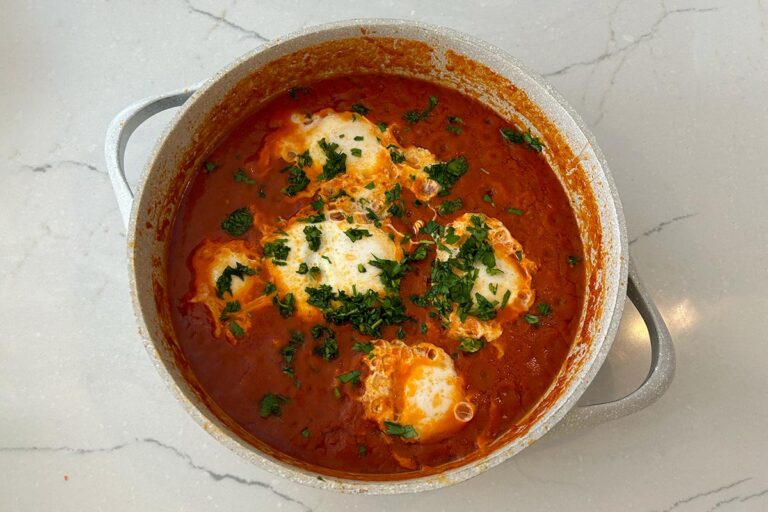
Still in Yaffo, cooking shakshoukah at Dr. Shakshuka’s.

image-shakshoukah

The Lilac Lady. I wonder what event she was all dressed up for. A grandson’s bar-mitzvah? A wedding? Or does it take her fancy to dress like that every day, because she’s old enough to do what she dern well pleases?

image-lilac-lady

I couldn’t believe what I was seeing. Do people still fall for this ancient scam? It’s a variation on the shell game, which has gulled the naive (and the greedy) into parting with their money for centuries.

image-the-shell-game

This elderly Russian lady must have intense stories to tell, but we couldn’t talk because she spoke only Russian and Yiddish. She was selling chocolate rum balls she’d rolled up at home – koosher, she assured me. I paid whatever she asked for them, my heart squeezing in my chest. I hope she has someone to go home to at night, and that they love each other.

image-elderly-woman-Israel

The lively Greek music coming from this Levontin Street bar caught my attention. Then I saw the guys sitting and having a little arak together there, and I really had to snap. They were amused at my interest and at my American accent – probably figured me for a tourist – and allowed me to.

image-arak-drinkers-Israel

I like to see friends together.

The organic market at the renovated Tel Aviv train station. This guy gave me such a knowing smile from behind his lettuces that I got embarrassed. Well, his dreads are cute.

image-man-with-dreadlocks

I bought hot fresh chickpeas from this man on one of my trips through Shuk Mahaneh Yehudah in Jerusalem. Did I seem impatient to him? He’s giving me the classic Israeli signal for “wait a second” – tips of fingers bunched together and the wrist turned.

image-shuk-vendor

Far from the shuk’s bustle and noise, chef Moshe Basson shows how to make fresh za’atar pesto. I admire Moshe for his dedication to native foods and traditional Israeli cuisine, and for his partnership in Chefs for Peace. I guess if I have a food hero, he’s it.

image-making-za'atar-pesto

What do you see in this man’s smile?

image-butcher-tel-aviv

He’s a butcher in Shuk Ha Carmel, Tel Aviv. He’d come to shoot the breeze with the lady below. They’re childhood friends, he said. He scolded her for smoking. She heard him out tolerantly.

Then she said, in a hoarse, cracked voice: “He worries because I just finished a round of chemotherapy.”

image-wrinkled-woman

A fast-food stand in the Shuk Ha Carmel: two brothers sell majadra, soup, and salads. I couldn’t find a good angle for the food photos, so I snapped one of the brothers.

image-shuk-ha-carmelThis drink of coffee covers his thoughts up, but doesn’t hide the challenge in his eyes, or his tough stance.

I know that many market vendors suspect photographers of working for the income tax authorities. I’ve given up trying to explain that I’m just a Jewish matron and a food blogger. Eventually they just trust (sometimes my American accent works in my favor).

This is a Tsfat photo. Yaacov sits outside an electrical appliance store, selling blue bead bracelets against the Evil Eye. When you buy, he gives you a sure-fire blessing that’s guaranteed to fix you up in life. But – you must be proactive. Yaacov will tell you which Psalms to say, and at what time of day, because you must do your part too.

image-elderly-man-Israel

No pictures of kids…I have many, but feel tender about exposing their little faces on the Internet. More men than women – that’s natural, since there are more men vendors in the shuk and on the street. And some of my favorite shots stayed in the archives. Well, it’s a long enough post for right now. Sometime I’ll show you the best of the rest.

grape-leaves

Yael, of the Finnish Oranges and Honey blog, took me on a long walk from the arts and crafts fair on Nahalat Binyamin street, Tel Aviv -

ethiopian-art

through the beautiful streets of the Neve Tsedek artist’s colony -

tel-aviv

in and out of the most interesting shops -

moroccan-lamps-and-furniture

winding up at this  market near the beach.

organic-market-tel-aviv

It’s the new organic farmer’s market at the antique, renovated Tel Aviv train station.  It’s still small – just an alley lined with booths on both sides – but so much of what you need is there. Leafy greens and pungent herbs, succulent tomatoes, young corn still clothed in its husk because picked that very morning. I saw one man shuck a cob and eat the sweet corn raw.

How pallid and scentless our supermarket vegetables are in comparison. As we strolled by the high-piled baskets, the sweetest scent of  organic strawberries,  an earthy zucchini odor reminded me that fresh produce should smell distinctive and strong.

We strolled around munching on organic goat’s  cheese and strawberries. The cheese vendor said, “This cheese is amazing! Amazing!” I started to sing, “Amazing cheese, how sweetly round…” which everyone politely ignored. I truly don’t know why people don’t like it when I start to sing. Yael, however, showed her excellent European manners by remaining my friend.

One stand, decorated with vine leaves all around and bearing the sign “Kibbutz Sde Eliahu” caught my eye. I made a beeline for it. When I first arrived in Israel, young, alone, and scared of this huge immigration thing I’d done, I spent six months on Sde Eliahu. There, I studied Hebrew, worked in the orchards and the fields, and started acclimating to my new country. I have only good memories of my time on kibbutz.

organic-sde-eliyahu

They were selling olive oil and grape juice and pomegranate juice. How well I remember picking big red pomegranates in the orchards, very early in the morning, as a false dawn came up from behind the Jordan hills.

The vendor  must have been only a little boy when I lived there, but he brought me up to date on all my old friends. I was moved to hear how their lives opened out into the future, how one had died, how my pretty young Hebrew teacher was now a grandmother many times.

I lingered at the stand in this nostalgic mood, playing with a long branch of grape leaves that hadn’t been tacked up for decoration. A recipe I’ve seen in an Elizabeth David cookbook came to mind: mushrooms baked in grape leaves. I’ve often been curious to try that recipe, but never remembered to pick up raw grape leaves when they’ve been on offer. People pickle them in brine and then stuff them with rice, of course. Once a year, usually at harvest time, you see these big, coarse leaves lying in piles in the pickles section of the supermarket, or in the shuk. I’d never seen these younger, more tender leaves for sale.

“Would you sell me those grape leaves?”

The vendor thought for a minute. “What will you do with them – stuff them?”

“No, I’m going to bake mushrooms in them. A layer of leaves, then the mushrooms. Salt, pepper, olive oil, and a little lemon. On top, another layer of grape leaves. Cover it all and bake till the mushrooms are done – maybe 20 minutes.”

The vendor swallowed; the image of juicy mushrooms had woken his appetite. “Here, take them. No, there’s nothing to pay. Look, I got a new recipe, and that’s worth a lot.”

We parted with expressions of mutual esteem.

I put the grape leaves carefully on top of my organic artichokes and Swiss chard, and Yael and I headed for home. It was Friday, and at home our Shabbat preparations were only half finished.

I unloaded my market bag, sorted the produce between Cook It Now and Save It for Later. Then my hand pulled the flat package of grape leaves out.

What made me photograph them when I was in such a hurry to get my cooking done? But they were too lovely to ignore. All right, I’d photograph now and cook with them after Shabbat. I rinsed and dried them, and arranged them in a white dish to show their irregular shapes to advantage.

Then I surprised myself – there was a tug at my heart. Tears rising to my eyes. What?…

It was the Biblical beauty of the grape leaves, their millennial, spiritual, physical, mystical connection to the land and to Jews. To me. I had a small, pure moment of thankfulness and praise.

Blessed art Thou, who created the fruit of the vine.

Who brings forth bread from the earth.

Who brought me here, where I belong.

Israeli Flags on Independence Day

Husband, the Little One and I made our barbeque at home, inviting our good friends Mr. and Mrs. Baroness Tapuzina. They came bearing a watermelon and organic lemons. Those lemons – those organic lemons – are perfect for making limoncello. In fact, I got sort of exhilarated and  started singing an improvised ditty:

Limoncello, limoncello/Fine and mellow, my good fellow…

The Baroness made me hush up so as not to strain my voice (she claims) – but I heard her singing the little tune under her breath as she brushed olive oil on the sourdough bread for bruschetta. I revolved around once or twice, waving my arms and making Carmen Miranda-like gestures. I mean, since I wasn’t being allowed to sing.

The Little One  set our little electrical grill up on the porch and dealt with the skewered chicken wings. Truth is, the main foods weren’t barbequed. I slow-cooked lamb osso bucco with fresh fava beans and baked golden, lemony potato wedges. The Baroness  sauteed orange bell peppers, onions, and zucchini in the cast-iron skillet. But we stayed in the national spirit and barbequed something, unlike last year when I served a cold, curried turkey salad.

My neighbor made up for our lackluster mangal (charcoal BBQ). Billows of smoke poured off his porch, and if I hadn’t seen him standing in the middle of it, calmly handling tongs and platter, I would have gotten alarmed and called the fire department.

So we feasted. The chicken wings, grilled to perfection, were delicious. We topped the toasted sourdough slices with roasted garlic paste and caramelized onions. Whoever wanted piled the sautéed veg on top. But the star was the lamb osso bucco – neck of lamb sliced and slow-cooked in wine with carrots, celery, tomatoes, and herbs. It was – well, it was delicious.

Wine? Well, the first bottle was a Sauvignon Blanc from Carmel, because I had it left over from Passover and we needed something chilled. Then we moved on to my free-run Merlot 07, and drank quite a lot of that while we ate, and argued, and told stories, and ate some more.  Woke up today with a headache…I’m staying away from wine for a little while now. Have I said that before here?

Recipes follow, next posts!

olive stand at Mahaneh Yehudah market

Last Friday Baroness Tapuzina, Sarah Melamed, and I drove up to Mahaneh Yehudah, Jerusalem’s open-air market. It seemed like half  Jerusalem was out shopping, loading up on the week’s best and freshest food before Shabbat.

We arrived at around 10:00 a.m, strolling from stand to stand, drinking etrog juice here, taking photos there. Something new: fresh green chickpeas, roasted and salted.

roasted fresh green chickpeas

I bought a bagful for all of 5 shekels. We three snacked on the oily, salted chickpeas as we wound in and out of the tight little streets. Notice the huge bag of green almonds hanging behind the vendor’s head.

By 2:00 p.m.,  the multitudes streamed up and down the alleys, and nobody allowed you to just stand and chat in the middle of the shuk. You’d get a good-natured scolding for blocking the way.

“Lady, move!”

Mahaneh Yehudah

You just have to take it in good part. And move on.

Here’s a still life with fish:

still life with fish at shuk Mahane Yehudah

Although this little guy seemed ready to cuss everyone out. Hm. One or two disgruntled folk in the shuk had the exact same look on their faces.

fish head at shuk Mahaneh Yehudah

One of the fun things about going someplace with friends is that each sees different things. It struck me, as never before, how preoccupied people are with avoiding the Evil Eye – ayin ha-ra.

Our old green-eyed friend, Jealousy.

Is my produce more attractive than yours? Do I have more customers? Tfu, tfu, tfu – let’s spit three times.

Or decorate my garage door with chamsah handprints.

handprints against the Evil Eye

Or place a rue plant on the right-hand side of the stand. That’s a sure-fire Evil Eye deterrent. People will often put a potted rue plant on the right of their doorstep, or plant one in the entrance yard. I did that myself once, just to fit in with the atmosphere, when I lived in Tsfat.

Rue against the Evil Eye

Afraid someone’s going to cast a jealous look at your beautiful infant? No problem: just slip an anti-ayin ha-ra bracelet over her little wrist. Or over your own, if you’re really worried.

bracelets against the evil eye

So many contrasts, so many different kinds of people.

Over to one side, a Breslaver Hassid busked for coins.

Breslav hassid in shukHe did have a manic look about him – but it can’t be easy, singing “Na-Nach-Nachman-mi-Uman” to the indifferent crowds at Mahaneh Yehudah.

A more peaceful man was this vendor. He specializes in home-made ambah, choumous, and all kinds of pickles. I tried one of his pickled carrots – whew! It was fiery with those demonic tiny red shatach chilis.

the ambah and pickles vendor at Mahaneh Yehudah

We were starting to get hungry, and eyed the sidewalk restaurants with a view to lunch. Should we go for one of the sophisticated new cafés, the ones with a deliberately European feel?

European style cafe in shuk Mahaneh Yehudah

No, we were far more attracted to the funky places that cooked old-fashioned dishes like majadra over gas burners. Some of those tin pots over gas burners produce sumptuous meals, too. Kubbeh dumplings in rich soup, meat sofrito, and the most luscious hand-made choumous…

old-fashioned cooking at Mahaneh Yehudah

Here someone chooses Shabbat take-away.

choosing Shabbat takeaway at Mahaneh Yehudah

Eventually we squeezed into the Azura restaurant, sitting almost elbow to elbow with other diners. This post has gone on for a long time, so I won’t describe what we ate (maybe in another post) – but here’s something to put in your eye – creamy choumous, crowned with chickpeas and parsley, and anointed with olive oil.

humus at Mahaneh Yehudah market

It was really, really good.

Interviewing my Yemenite friend Ofrah was so interesting that I’m giving her a post all to herself. Ophra’s  a singer and vocal coach. I study with her every week, in a group. She’s a dynamic, warm, temperamental woman who never misses a beat – or anything said in the room. Sometimes I think she never misses a thought going through our heads.

While both Ofrah’s parents were Yemenite, a streak of Ashkenazi influence runs through her cooking. Her story will tell you why.

“My mother came to Israel at age two (in the  Yemenite immigration of 1939).  By age nine she was already working as a housemaid, in the homes of elderly Ashkenazi ladies. From them she learned to cook gefulte fish, knaidelach, other Eastern European foods.

“Do you know how she was paid? They paid her in meatballs. She’d take these meatballs home and feed them to her brothers and sisters. That’s how she helped the family. She had a tough life.

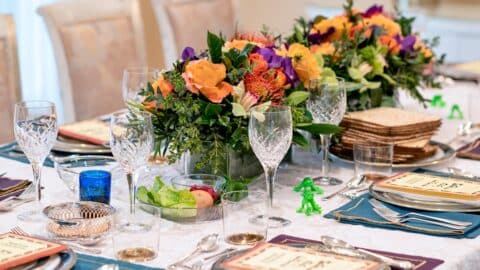
“We grew up eating gefulte fish and knaidelach at the Seder, along with traditional Yemenite foods. One is matzah fatut: matzah soaked in beef soup, with hilbeh added (a spicy fenugreek relish). Normally fatut is made with bread, but on Passover it’s matzah, of course. We’d eat a dairy fatut for breakfast. The matzah is soaked in milk and samna (clarified butter or ghee flavored with fenugreek, ).

“Other Seder foods? Eggplants, meat, fish, a million kinds of salads.

“My mother would clean the house like crazy. Everything was washed in boiling water or rinsed in bleach. We’d open all the books and shake them out. The windows shone, every object shone with cleanliness.  In the kitchen, we had a separate Passover stovetop. All the spices were bought fresh and checked again. I used to love to sit at the Seder and see how immaculate every single thing in the house was.

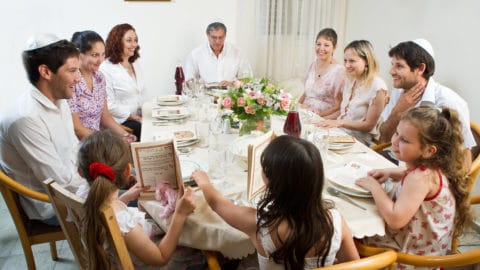
“We didn’t sit at a table for the Seder. We would remove all the chairs and the sofa from the living room and put mattresses on the floor. Everyone sat on the mattresses and reclined to the left, and everyone read from the Haggadah in Hebrew and Yemenite Arabic. My father would read out of his father’s heirloom Haggadah. The Haggadah is hand-written and has come down from my grandfather’s grandfather to us. We ate at low tables set around the floor.

“In the community there was a woman who baked the matzot, fresh, in a special Passover taboun (outdoor domed oven). We’d buy three hand-baked matzot for the Seder from her. The rest of the week,  we ate grocery-store matzot.

“The charoset was made of dates, sweet wine, ginger, walnuts, and coffee hawaij (a blend of cinnamon, cloves, and cardamom used to flavor coffee).”

Ofrah laughed when I asked what her favorite Passover food is.

“Matzah brie and  kneidelach” she said. She knows how incongruous that sounds, coming from a typically short, dark, wiry Yemenite woman. But it’s typical of her many-sided self.

“My strongest memories are of my late parents. My father wrapped in his tallit, still young and strong. His voice, his personality, the mark in the middle of his forehead where his tefillin would lie while he prayed every morning. As a child, I was sure that the Shechinah (G-d’s presence) came out of that mark.

“And my mother, of blessed memory. She was a bulldozer type, like me. She’d make us kids eat outside the house the whole week before Passover so as not to bring chametz into the house. We thought it was fun. Memories of my parents are strongest when I sit with my own family at the Seder table.”

*

Learn more about Yemenite Jewry here with this Wikipedia article.

For more on Yemenite Passover customs, read this article from Bar-Ilan University.

I was in the shuk this week, enjoying the fresh air, choosing new potatoes, checking out the strawberries and artichokes. The market was crowded with eager shoppers speaking Hebrew, Ladino, Russian, Amharic, Yiddish, and Arabic. English too, sometimes.

With Passover coming up, the multicultural hubbub got me thinking. What are the Passover customs of all these different Jews?

Normally I’m not shy about collaring a stranger on the street and asking all kinds of nosy questions, but I wanted more information than I could get from a three-minute interview. So I turned to my friends, women who come from varied backgrounds. This week, I’ll interview Shosh, Hannah, and Michelle. I hope to have Part II ready for you next week, with friends from Ethiopian, Yemenite, and Kurdish homes.

1. What’s your ethnic background?

Shosh: Orthodox American parents, married to a Tunisian. I observe all-Tunisian customs now.

Hannah: Eastern European.

Michelle: German Sephardic.

2. Does your family have specific customs in preparing for Passover?

Shosh: We check the rice we’re going to eat on Passover 3 times. Toveling dishes in the sea is so much fun that I call dibs on it every year (Mimi: Jewish law requires that kitchenware made outside of Israel be purified by dipping it in the mikvah or in a natural body of water). The men also go to the sea instead of the mikvah. (In many communities, the men go to the mikvah before major holidays).

Hannah: Cleaning the house carefully, hiding pieces of chametz the night before, and searching for them with a candle.

Michelle: Just the traditional preparations.

3. What’s a typical Seder menu?

Shosh: 2 cooked dishes is the required minimum. A traditional fava bean, beet green, and lamb soup called bkila is served. The second dish varies. Funnily enough, chicken soup with matzah balls is always served. One year a Moroccan guest prepared delicious lamb on a bed of caramelized onions. Another year we had stuffed artichoke hearts cooked with peas. Rice is essential.

Hannah: In our home, my mother served matzah ball soup, brisket, matzah stuffing, and vegetables. Sponge cake for dessert. My parents both came from Hassidic backgrounds, but they dropped the Hassidic custom of not eating soaked matzah (gebrokts).

Michelle: Cold salmon instead of gefulte fish, chicken soup with matzah balls, lamb roast, roasted chicken, boiled potatoes, various vegetables, matzah shalet with lemon sauce, some other flourless cake.

Mimi: Michelle, what’s shalet?

A bit hard to describe. It is a “cake” that is made with soaked whole matzahs, eggs, lemon juice, lemon zest, sugar, almonds, and raisins. It is baked in hot oil in the oven and it gets a wonderful hard brown crust, but it is soft and squidgy inside.

4. Where do you get your matzahs? Are they hand-made?

Shosh: We buy handmade matzah with a Sephardic hechsher for the seder. For the rest of Passover we use machine-made.

Hannah: We would buy one box of hand-shmurah. No special brand or hechsher.

Michelle: Store-bought, no specific hechsher.

5. What’s your family’s charoset recipe?

Shosh: The Grandma makes it with lemon juice, so it’s a bit sour. My mother-in-law makes it sweet, with dates and grape juice.

Hannah: Apples, walnuts, sweet red wine, cinnamon.

Michelle: Italian charoset – secret recipe with fresh apples, dried fruits, nuts, and chestnut paste.

6. Does your family have foods reserved specially for Passover or the Seder?

Shosh: The bkila is for Rosh HaShana and Passover only. The Yemenite aunt makes matzah fatut (normally eggs scrambled with spongy lachuch bread; for Passover matzah is used).

Hannah: No.

Michelle: Matzah shalet and matzah fritters.

7. Are most foods home-made, or store-bought?

Shosh: Home-made.

Hannah: Home-made.

Michelle: Everything is home-made.

8. What’s on the Seder plate?

Shosh: The usual egg, bone, parsley, charoset, lettuce.

Hannah: Lettuce and horseradish, hard-boiled egg, parsley or potato, a bone with meat, salt water, charoset.

Michelle: Lamb shank bone or turkey leg, egg, horseradish root, romaine lettuce, charoset, and parsley.

9. What language do you read the Hagaddah in?

Shosh: Hebrew and a bit of Tunisian Arabic.

Hannah: Hebrew and Aramaic, accordingly.

Michelle: Hebrew.

10. Do you follow specific traditions at the Seder?

Shosh:

  • The children put the afikoman (a matzah saved to eat at the very end of the meal) in a sack and carry it on their backs. They walk out, take a short walk, and come back in. The father asks them: “Where were you?”

They reply: “In Jerusalem.”

“Who did you meet?”

“The prophet Elijah.”

“What did he tell you?”

“That the Messiah is coming.”

  • The host or person reading the Hagaddah out loud recites “ha lachma anya” three times (a paragraph beginning this is the bread of affliction that our forefathers ate in Egypt…). He holds a basket with the plate containing the matzahs in it, and walks around the table while chanting – and bumps everyone lightly on the head with it. (Mimi: This Sephardic custom physically reminds the participants of the oppression Jews experienced  in Egypt and of our release from slavery.)

Hannah: We spill wine 10 times while reciting the 10 plagues. My family would dip a finger in the wine.

Michelle: We dip our pinky finger in the wine glass and dab it on a plate for the 10 plagues.

11. Are there customs or rituals that belong to your family alone?

Shosh: The youngest children are told the story of Abraham and the idols, and they chime in with whatever they remember. The story is then retold in Arabic, especially when the grandparents are there.

Also, the matzahs are covered and uncovered at specific times during the meal, as indicated in the machzor (Mimi: book of holiday prayers), which was written by the great-grandfather. He was an important rabbi in Tunisia.

Hannah: Don’t know of any.

Michelle: One year we were forced to have our Seder by candlelight because a terrible storm blew the electricity out. We loved the candlelit Seder, so we made it a tradition.

We take turns reading a stanza of Who Knows One and An Only Kid and recite it in one breath.

12. What’s your favorite part of the Seder?

Shosh: The songs.

Hannah: Listening to the children sing the Four Questions.

Michelle: All of the songs.

13. What’s your favorite Passover food?

Shosh: Matzah brie with lots of onions and shaped like hamburgers, yum…

Hannah: Matzah brie.

Michelle: Charoset!

14. Any special treatment for Eliyahu haNavi? (Elijah the Prophet, who is said to visit each family’s Seder when the host opens the door to recite “Pour Thy wrath over our enemies…”)

Shosh: We just open the door.

Hannah: We reserve a glass of wine for him.

Michelle: We reserve a special cup.

15. Share a Seder memory with us?

Shosh: My grandfather used to hide the afikoman in the same place every year – behind the white pillow on which he reclined. He always acted surprised when he found that it was gone. He used to hide it while everyone was washing their hands for the matzah. One year I stayed behind and saw him hiding it. He looked at me and winked, as if to say, “Don’t tell…”

Hannah: My parents always invited an elderly professor to the second Seder. He was very Reform. When we got to certain verses in the Hagaddah reading, he said, “So and so has made great strides in ascribing this passage to E instead of to P” – referring to biblical criticism and the authorship of the Bible. My father, a scholar himself, changed the subject.

Michelle: One of my favorite Seder stories is when one year, my Dad opened the door to Elijah and there stood a fawn. He looked at my Dad a second and ran off. Next year, a possum was on the doorstep. We laughed and said, “Next year it’ll be a goat!”

Mimi: Here’s one of mine. When I was about 7, my father’s best friend, a noted psychiatrist and neurosurgeon, came to the Seder. He sat next to me and for his own amusement, hypnotized me into “seeing” the wine in Elijah’s cup go down. Jeez. It really looked like an invisible mouth was sipping at the wine. I was afraid to touch the cup for years afterwards. But I’ve forgiven mischievous Dr. Kugler, may his memory be for a blessing.

Part II next week…


We met at the Mazzarine café on tree-lined Montefiori Street. It’s a Parisian-style patisserie, decorated in a style that recalls the settings of novels by Colette.

The private room we  reserved had a gorgeous crystal chandelier, big, comfortable, cushioned chairs and an ample wooden table. The food (kosher dairy) is fresh and appetizing. The usual quiches, salads, and pasta were on the menu, the difference being that they were obviously hand-made, with care,  each with its little innovative twist.  The pastries looked rich and amazingly decadent. A good setting for six foodies getting to know each other.

The participants were:

Yaelian, of the Finnish Oranges and Honey blog

Irene Sharon Hodes

Liz Steinberg of Café Liz

Sarah Melamed of Foodbridge

Michelle Kemp-Nordell of Baroness Tapuzina

…and myself.

Several other bloggers who had hoped to come couldn’t make it, but we hope to see them at the next meeting, in early March.

We became comfortable with each other quickly, and conversation, irrigated by Dalton Fumé Blanc wine,  flowed uninterrupted till when our orders arrived. Then we fell silent, concentrating on the flavors of the dishes set down before us.

I had gnocchi with artichokes and grilled cherry tomatoes.

Liz had Caesar Salad.

Irène had seared tuna with a scallion pancake and Jasmine rice.

Baroness Tapuzina had consommé with chunks of grilled tuna and strips of pasta.

Yaelian’s quiche and Sarah’s order, which I don’t remember, didn’t photograph well (my little Cannon A750 doesn’t do well at night). I’m hoping that the other bloggers will have better photos.

But we did have a hilarious time photographing each other taking pictures of the food. Well, it was a foodie meeting, what can you do?

The management was amused and intrigued by the flock of noisy women and the bursts of laughter coming from our reserved table. Over the evening, they kindly sent over  a dish new on their menu, gnocchi stuffed with prune preserve and covered in a techinah-based sauce. That dish wasn’t the best of what we tasted: I personally found that the flavors jarred. But my gnocchi with artichokes was very good.

Then the chef, Sharon Artzi, came over to introduce himself and explain the dishes we had ordered.

At dessert time, the management gifted our table with a little extra:

Myself, I had an eclair split open and stuffed with strawberries and cream. An elegant variation on strawberry shortcake.

As much as the lovely setting and delicious food, we enjoyed the exchange of ideas, stimulation, and mutual support. It was a fun, fun evening. I look forward to the next event, and hope you Israeli food bloggers out there join us.

Sarah Melamed of Foodbridge and I will be leading a nature walk through the rocky hillsides close to Kfar Uriyah and the forest near Tarum – on Friday morning, January 8th.  Sarah is a plant biologist with a lifelong passion for nature and I have studied edible and medicinal plants for the past 15 years.

We will meet at 9:300 AM at Nachshon Junction, the intersection of road 44 and 3, about 10 minutes south of Ramla Please bring sensible walking shoes, a field guide if you own one, and plenty of water. The walk will take 1-1/2 to 2 hours.

We hope to show you where the wild things grow. Things like

za’atar

cyclamens

and

flowering almond trees.

Most of these wild edibles and medicinals are protected by law, so it won’t be a foraging expedition but rather an Exploration. Like Winnie the Pooh’s Expedition to the North Pole, only here in Israel.

If you’d like to join us (and you don’t have to be a blogger for this, just a nature lover), email me – my green contact tag floats along the side of the blog on the left. Or email Sarah at Sarah.Melamedatgmaildotcom.

My daughter and I spent an afternoon walking around Tel Aviv, the Carmel Market, and the Kerem HaTeimani (a section of town settled by Yemenite immigrants). The wall art and grafitti is great in that area. Here is some for you to enjoy.

A message from the counter-culture…

I didn’t know what to make of this sad Russian pirate and his little wooden Mariushka doll.

The same artist, who seems to feel that doll faces hide other realities.

Well jeepers, turn the volume down.

Something startled Norman badly. Was it all that noise?

Confessions of a narghila-smoker… a beautiful portrait.

Sleeping Beauty turned truculent.

…But the country runs on optimism – no other choice!

Another Israeli Kitchen – Baroness Tapuzina Food Adventure!

An email from Denny Nielson appeared in my Inbox. “We’re going to press apples for cider. Want to come?”

Did we ever. The Tapuzinas (if I may call the Baroness and her good hubby that) had come over for dinner and we were all feeling kind of full and expansive.  The Baroness thought it would be an adventure. Mr. B.T. was excited at the thought of home-brewed “scrumpy,” which seems to be the same as “hard cider,” only in British. Me, I was overcome by a wave of nostalgia for juice pressed out of real, live apples, like I used to drink in my Michigan childhood.

So we joined up last Friday and sped through the central plains on to the hills outside of Jerusalem, in search of cider. Denny’s home and homebrew supply store are located in Mevasseret Tzion, where nights are cool and a home-owner might grow a grapevine to twist over a garden wall. We opened the gate and climbed up stone steps to a sunny patio where people were standing around watching the apples getting crushed.

It was like crushing grapes. Throw the apples into the hopper, and press the button.

The lathe inside the crusher bumps and grinds, spitting apple particles all over you if you stand too close, and the pulp drops into a bucket underneath.

Take the bucketful to the press,

and get a nice strong volunteer to twist the rachet around till the pulp yields no more juice.

Strain the juice and measure it out. Add some sulfite to avoid spoilage.

That was all. The rest of the work is done at home. You throw some wine yeast into the juice, which already wants to start fermenting, and close the bucket (in my case a carboy) with an airlock. Airlocks are the plastic widgies that, filled with sanitized water or a mixture of water and vodka, allow the gases produced by fermentation to escape, while forbidding insects, dust, or bad mojo to enter.

But there was more to it than that. There was a garden with herbs.

Gorgeous basil, eh? Or as Mr. B.T. said, “Nice pesto plant.”

Views of the Judean Hills and the back side of Jerusalem. Yad VaShem stands in the far distance, a somber reminder of how lucky we were to be making cider in the sunshine, in the Israel of today.

There were people hauling apple crates together, managing the crusher, lifting the bucket full of juice, and suddenly finding it easy to talk to each other. Here is our host and homebrewing master, Denny.

An unfamiliar voice called my name, and when I turned around, it was a Twitter friend who had recognized me from my avatar. He is of Lebanese extraction, and this interested the Baroness. In a second he and she were talking about Lebanese cuisine and swapping recipes.

It was also neat to get more homebrewing supplies at Denny’s shop downstairs. I brought home 10 liters of juice and six bottles of beer.

I’m happy to see interest in good beer expanding in Israel. The appearance of several serious local microbreweries is making a difference to folks who (like me) enjoy a glass of suds and would rather support an Israeli small business. But only Denny does things like the apple crush for cider. So far; I’m sure the idea will catch on.

Next thing is to convince him to crush pears for perry, which is pear cider. Or pear wine!

So what does the cider look like?…Well, when I brought the juice home, it looked like this:

It ain’t done yet. Takes about 2 months for the cider to drop all its sediment (bits of apple pulp, a layer of used-up yeast), become clear, and be ready to drink. I expect it’ll have between 7-8% alcohol by volume. When it’s ready, I’ll show you.

We bloggers moved on to lunch at a Kurdish eatery in Or Yehudah. It’s called “Hapundak shel Moshe,” a crowded, working-man’s place that’s famous for its kubeh soup. I’ve never been all that fond of kubeh, but that day, I had to change my mind. There was bulgur kubeh, semolina kubeh, kubeh fried and kubeh in soup. I had pumpkin soup with kubeh dumplings ladled over rice made yellow with turmeric. The owner also put a few inches of Kurdish kishkeh on top.

It was spicy and savory/sweet and filling and so nutritious, I looked 10 years younger when I got up from the table than when I’d sat down.

And here are just a few of the pots full of mighty Kurdish food.

The Baroness was writing up her own blog post about our cider and kubeh adventures just a little while ago.  Make sure to skip over to her blog and see how the day looked to her.

Related Posts with Thumbnails