image-black-spanish-radish3

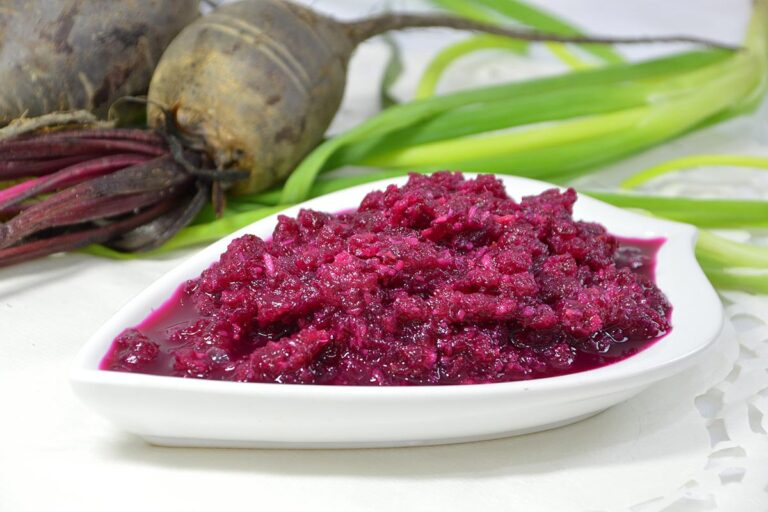
There I was in the kitchen, staring at a black radish.

I felt a little intimidated.

I’d never handled or eaten a black radish. It was so very black. Its skin was rough, almost like suede, and it looked tough to slice. I mean – black foods don’t usually scare me. If there’s anything I love to eat, it’s black beans. Why should I, who routinely joint whole raw chickens without turning a hair, feel insecure in front of a radish?

It all started with my Glazed Turnips post. In the comments, readers, especially cookbook author Faye Levy, encouraged me to cultivate the acquaintance of radishes. OK. I got fired up. Next time I took a bus out to the shuk, I made a point of getting four different kinds of radishes. Yes, you’ll be reading about all of them. But I bravely took the strangest-looking one first.

Continue reading »


image-glazed turnips

Consider the humble turnip. Humble, because so many people treat it snobbishly. How would you feel if you were a turnip, lying there hopefully in the supermarket bin and watching all the good cooks strolling past you without a second glance? Even a potato gets better press than a turnip.

I confess, I’ve never been fond of turnips. Except once, my mother peeled and roasted one next to the Shabbat chicken, and it was delicious. It soaked up some of the chicken drippings, and with its natural sweetness it just came out a winner. But I’ve never cooked one till recently.

Continue reading »


image-spinach patties7

Have you done a lot of frying this Hanukkah?

Me, I usually adapt fried foods to baked, but on Hanukkah, latkehs have to be fried at least once. So I fried traditional potato latkehs the first night, but until last night, I kept Husband and the Little One happy with fishy things like Slow-Cooked Salmon and Tajine of Red Mullet in Chermoulah. Then I decided to succumb to tradition and fry something. Hanukka’s winding down, after all.

I came across cookbook author Gil Mark’s Keftes de Espinaca – spinach patties.  Perfect – Husband’s favorite vegetable is spinach.  The Little One could do without it, but even she ate and took seconds of these patties. And to my delight, they needed but little oil to fry up into delicious, crusty morsels with tender insides. I served pasta with tomato sauce on the side and we had a great vegetarian meal.

Continue reading »


image-tajine-carrots

Autumn. The transition from the big salads we enjoyed in  hot weather to a longing for something more substantial, foods that grow underground.  A delicious autumn dinner is the vegetable tajine.

When I first discovered tajines, I thought they all had to include meat; gala dishes of lamb, beef, chicken, sausages. It was great to find the vegetarian side to tajine cookery. True, the base vegetables have to be fairly sturdy to take slow cooking in a clay vessel. Carrots, eggplants, artichoke hearts. Hearty grains like chickpeas or beans.  Added layers of flavors come from dried fruit and vegetables that won’t fall apart in the cooking, like bell peppers.  As with Western dishes that include root vegetables, ginger and cinnamon add  piquancy, but the sweetness is always subtle, balanced with fresh herbs and restraint in the use of bee’s honey or silan, date honey.

Continue reading »


image-sweet-potato-saladJust before sweet potatoes got expensive again (because they’re always best and cheapest in winter), I brought some good ones home. Putting the vegetables down on the kitchen counter, I began to think.

Should I roast them in date honey? How about chopping one and putting it in the roasting pan with curried chicken and apples? A vegetarian  sweet potato and lentil salad?

Hm, it does look like a lot of sweet potato recipes here. Yet because the weather’s getting warmer and I wanted something light, I chose another one for your enjoyment and mine. Please view my sweet potato salad – then cook it up, because it’s not only good, it’s good for you.

Sweet Potato Salad

6 portions

Printable version here

Ingredients:

1 large sweet potato

1 medium red onion, sliced finely

1/3 cup olive oil

1/4 cup apple cider vinegar

2 tablespoons sugar

1 teaspoon salt

black pepper

1/2 cup chopped cilantro or parsley

Method:

Scrub, but don’t peel, the sweet potato. Chop it into large dice.

Put the chopped sweet potato in a pan with salted water to cover, and bring it to a boil.

Lower the flame and cook for 7 minutes. Start testing the pieces for tenderness. They should take between 7-10 minutes to cook till tender but still firm.

Drain the pieces at once and run a little cold water over them to stop the cooking.

Put them in a bowl with the rest of the ingredients. Taste for the exact balance of salt, sour and sweetness that you like, and adjust accordingly. Use a wooden spoon to stir – gently.

Chill the salad in the fridge for an hour before serving. Simple, colorful, and satisfying.


image-open-air-market-israel

It took a long time to get over Passover this year. Non-stop cooking and washing-up, it seemed, and once the kitchen was restored to its leavened state, food lost its appeal. Easy soups and sandwiches have been keeping body and soul together around here for the past two weeks.

Except that Husband and The Little One would have left the house, never to return, had I gone on feeding them sandwiches and soup. So to find inspiration, I took my first post-Passover trip to the shuk.

image-shuk-petach-tikvahI should have gone before. The beautiful produce, the bustling crowds, the odors and colors worked their usual magic and before I knew it, I was filling up the wheeled shopping cart and recipe ideas were buzzing in my brain.

First, a salute to the end of garlic season. Freshly-harvested local garlic with long green scapes is still for sale, but not for much longer.

image-garlic-shukMostly I saw piles of shorn bulbs. image-garlicThey’re still tender and juicy, although their greens have dried up. I bought what I think will be my last batch for this year. Cloves from about 8 heads of that batch are in the oven right now, slowly cooking in olive oil for confit (recipe for garlic confit here) – and the garlicky, spicy odor in the house is making me hungry. Off to one side of the shuk is a large butcher store. Apart from the usual beef, chicken and turkey, they have things like entire cow’s tongues, long and grey and too much like super sized human tongues for me. Also, unhatched eggs taken from hens at slaughtering time. image-unhatched-eggsThis delicacy is only available once every three months. Maybe someday I’ll look up a recipe using those unhatched eggs. In old-fashioned Eastern European kitchens, they are simply poached in chicken soup. This butcher speaks excellent, courtly English and is also very sweet. He knew exactly which cut of beef I needed for boeuf bourguignon. Here he is with a neck of lamb like the one I cooked as Osso Bucco for Independence Day last year. image-kosher-butcherThe other guys have far less class. image-kosher-butchersInteresting mix of Russian, Arab, Moroccan and Ethiopian Jewish workers there. There are several fish stands in the shuk, but I like this one best. image-kosher-fish-standOfer is the owner. He gets up at 3:00 AM every day except Shabbat and works till the shuk closes down at sunset. image-fish-vendor-shukOff to one side of the fish stand are posters that read: Abortion is murder and then this sombre thought: Troubles and evil decrees are warnings that we must immediately reform our ways. image-tshuva-signIn another corner of the shuk, a poster warns: The Messiah is coming. Are you ready? Next to it, a sign asks every Jew to put on tefillin(phylacteries). image-mashiach-posterMincha – afternoon prayers – in the tiny room set aside as a synagogue. image-afternoon-prayer-shuk And finally, some vegetables. Somehow even turnips, onions, and pickles become luminous in the everyday shuffle of the shuk. image-onions-shukimage-turnips-shuk I also find the dignity of worker’s hands beautiful. image-beets How about these pickled vegetables? image-pickled-vegetablesAlmost as lovely as the display of spring flowers in the alley across from the shuk, where I picked up a couple of petunia starts for my porch garden. image-spring flowers Yes, I know…I didn’t show you my shopping. Well, I bought the last of the season’s strawberries – a kilo, which I finished off with just a little help from The Little One when I got home; broccoli and mushrooms for a quiche to serve the book club; broad Italian beans; tiny new peaches for a pie and for chutney; big bunches of basil and rocket for pesto and…and more, only I haven’t cooked much of it yet. Except that garlic confit.

So now I’d better hop to it. Meet you back in my kitchen!


image-vegetable-kebabs

How we do love anything grilled. There’s something about that smoky, slightly charred flavor that just wakes hunger up. And how smart we are not to confine our grilling to meat – even peaches taste special cooked over an open flame. With the Passover week coming up, we expect to smell a lot of al ha-esh barbeques around. Ours will have vegetables too.

I brought marinated vegetable kebabs to the family Purim party. While the rest of us sat at the rooftop table drinking wine and sangria, my son-in-law’s brother-in-law – well, extended family tends to grow close here – anyway, one of the young men stood and kindly grilled.

He turned out grilled chicken fillets and wings and livers (and hearts, those dark, crunchy little nuggets).  Grilled, thinly sliced beef fillets. Spicy little hamburgers. And there was a big potato salad colorful with chopped red onions, cilantro, and celery and tart with a lemony mayonnaise. Dishes of humus and Turkish salad (follow links to recipes).  A bowl of Israeli chopped tomato/cucumber salad. French fries. A feast – but the surprise was the grilled vegetable kebabs. Everyone loved them.

My mechutenet (daughter’s mother-in-law) asked me for the recipe. She herself is an excellent cook in the Sephardic tradition, owning no other kitchen appliance than a hand-held grater and making every single thing fresh.  I was honored.

Now it occurs to me that except for the pile of fresh pitas, this menu would be wonderful on a Passover get-together. Many like to grill on the holiday. And at the conclusion of Passover, half the country goes to the parks for the Mimuna festival. Everyone sets up portable grills and boom boxes and lounges around on the grass, eating grilled meat and grooving to loud music sung by people with nasal obstructions. Vegetable kebabs would make a welcome light note there.

Grilled Vegetable Kebabs

6-8 servings

Choose from any mix of eggplant, zucchini, summer squash, tomatoes, bell peppers of any color, white or red onions, mushrooms, and sweet potatoes.

Combine:

1/2 cup dry white wine

1/2 cup olive oil

3 cloves garlic, crushed

1 tablespoon orange zest

1 tablespoon lemon zest

2 teaspoons freshly-ground black pepper

1 tablespoon fresh, chopped za’atar or oregano, or 2 teaspoons dried

1 teaspoon ground cumin

1 teaspoon thyme

1 tablespoon chopped, fresh rosemary leaves or 1/2 tablespoon dried

Cut tomatoes in quarters or use cherry tomatoes.  Chop peppers and onions into chunks convenient for skewering. If using button mushrooms, there’s no need to cut them; if using larger ones, slice into halves.

If using eggplant and/or zucchini, slice them thickly, place them in a colander, and cover with a light layer of salt. Set the colander over a bowl to catch the juices, and let the vegetables drain for half an hour. Rinse them and either put them back into the (rinsed) colander to dry or pat them dry.

If using sweet potatoes, slice them thickly and drop them into boiling water. Cook for 5 minutes, covered. Remove from the water and drain.

There should be about 8 cups of vegetables, not tightly packed, when you’re done chopping. Combine all the vegetables and pour the marinade over them. Cover and put in the fridge for at least 2 hours and up to overnight.

Have plenty of wooden skewers at hand. Soak them in cold water for half an hour before spearing them into the food – this will help prevent them from burning while the vegetables cook.

Arrange the vegetables on the soaked skewers and grill 5-10 minutes on each side, till all are tender. Have fun sliding the fragrant grilled chunks off the skewers and onto your plate.


image-fresh-garlic

It’s just that time of the year in Israel, folks. Wonderful, stinky fresh garlic is in the shuk. I’m in the shuk too, packing as much garlic into my little wheeled shopping cart as I can. I expect I’ll be writing about garlic every March till I’m too old to type anymore. And cooking it till I’ve died and gone to garlic heaven.

The Little One rolls her eyes and asks me not to buy any more garlic because I hang it up to dry in the laundry room. The smell of it drying  penetrates into the bathroom and makes her feel like a salami, she says.

My question is, how does she know what a salami feels like?

In her mysterious teenage way, she refuses to say. However, I notice that she does eat anything I cook with garlic in it. I suppose it’s in her genes.

And this year, there’s garlic with some enormous cloves in the heads. Right now the thin sheath that protects each clove is still tender and juicy, so I remove only the papery purple peel. Sorry about the alliteration.

image-garlic-bulbs

Once my garlic is minced to a paste, I add salt and olive oil – some fresh, chopped za’atar and thyme and chives and mayhap a leaf or two of rocket from my little potted plants – and and sit down with a warm pita to sop it all up, drop by drop. And that’s lunch.

Actually, I’m not sorry – I love alliteration.

image-olive-oil-and-garlic

Garlic oil keeps in the fridge for up to a month.

I did have mercy on the Little One and hung up the latest batch outside on our tiny balcony. Here it is, looking strangely shy and head-hanging among the anemones and nasturtiums. For such an aggressive herb, that is.

image-fresh-garlic

Another wonderful thing to eat is garlic confit. All the fire goes out of the cloves as they poach in herbed olive oil over two or three hours. You have to put a little fire back in. The result is a delicious relish for roast chicken, a cheese platter, a sturdy salad, or bruschetta. Love garlic? Try this.

image-garlic-confit

image-garlic-confit

Garlic Confit

printable version here

Ingredients:

4 heads of garlic, cloves cleaned and peeled if necessary. Leave the peels on if garlic is fresh and juicy; peel if not.

1-1/2 cups olive oil

4 sprigs of thyme

2 medium bay leaves

1 teaspoon mustard seeds – or 1/2 tsp. cayenne pepper

1 tablespoon coarse salt

1 allspice berry

freshly-ground black pepper

Method:

Heat the oven to 300°F – 150 °C.

Place the herbs in an ovenproof casserole.

Place the garlic cloves over the herbs and douse them with the olive oil.

Scatter the coarse salt all and grind black pepper generously.

Cover the casserole with tin foil and bake for 2-1/2 hours or until the garlic is very tender.

Store in the fridge for up to two weeks.

Have a look at previous posts about fresh garlic:


cardoon-potato gratin

Doing folkloric things tickles me. A pot of rue placed to the right of the entrance – sure-fire way to avert the Evil Eye. Stuffing mallows like grape leaves once a year to keep up the tradition. Things like that.

So when I saw cardoons in the Petach Tikvah shuk this week, I decided to stop ignoring them, as in years past, and cook ‘em already.

Cardoons are the stems of a thistle related to artichokes. Which are thistles. But the cardoon flower is negligible and the leaves horribly bitter. To eat cardoons, you must cut the thorny parts of the stem off and peel away the celery-like fibers. What a load of work. And that with the luxury of buying them with the thorns already shaved off.

DSC_1135

Cardoons must be pre-cooked before starting the recipe, to get rid of excess bitterness. The resulting taste is so delicate, so subtle, that you must not overwhelm it with loads of onions or cheese. Or garlic. In fact, it’s so darned delicate that you can hardly taste it. Did I do something wrong here?

All the same, I peeled, cooked, and baked cardoons and potatoes in a cream sauce enriched with shallots and cheese. It was tasty. But worth the effort? I don’t know. You judge.

Cardoon and Potato Gratin

Ingredients:

8-10 cardoon stalks, trimmed of thorny sides and with fibers  on  the stalks peeled away. A sharp knife, just slid down the backs, removes most of the stringy fibers.

2 large potatoes, cut into sticks about the shape of your forefinger

1 cup grated Parmesan or cheddar cheese, out of which reserve 1/4 cup

1 cup milk

1 cup light cream

1 shallot, finely minced

1/2 teaspoon salt

freshly-ground black pepper

Juice of 1 lemon

1. Have ready a bowl of cold water with the lemon juice in it.

2. Cut the stalks into thick slices diagonally and toss them into the bowl of lemon water as you work, to keep them from turning brown.

3. Peel the potatoes and cut them into sticks about the shape of french fries. Chop the shallot finely.

4. Have ready a large pot of boiling salted water. Cook the cardoons in it, covered, for 10 minutes or until barely tender. Drain well.

4. Mix the cardoons, potatoes, shallot, 3/4 cup of grated cheese, milk, cream, salt and pepper.

5. Prepare a gratin dish by lining it with baking paper, or grease it heavily. Pour the vegetables into it.

6. Taste for seasoning and adjust if needed. Scatter the remaining 1/4 cup grated cheese over top.

7. Bake at 425 F – 220 C for 45 minutes – 1 hour, till the potatoes are cooked through.


image-ratatouille

Just an eggplant and me. It was a slender young thing, all in shiny dark purple. Almost too beautiful to slice up.

But I was hungry.

Ratatouille takes minutes to prepare. It’s deliciously Mediterranean, redolent of olive oil. It’s filling. And low-carb.

I sharpened my knife.

Ratatouille

4 servings

Ingredients:

1 eggplant weighing about 350 grams

1 large onion

2 slender zucchini

2 large, very ripe tomatoes

1 large, red, bell pepper or (1 medium red and 1 medium green)

2 garlic cloves, minced

Olive oil

salt & pepper

Method:

Cut the eggplant into slices as thick as your thumb. Cut each slice in half.

Slice the onion into thick rings; halve each slice.

Cut the zukes into slices the same width as the eggplant, but do not halve.

Chop the tomatoes into rough chunks. Do the same with the bell pepper.

Mince the garlic.

Heat 1/4 cup olive oil in a wide pan. Add onions and fry till starting to soften. Add all the other vegetables, including garlic.

Drizzle a little more olive oil in. Cook for 5 minutes over a medium flame, stirring once in a while.

Cover pot, lower flame, and cook without uncovering for 15 minutes.

Season with salt and pepper, stir, cover again, and cook another minute or two. Taste for seasoning. Ratatouille is done when the eggplant is cooked through and everything is kind of soupy.

Pronto! Eat hot, at room temperature, or cold, with crusty bread to mop up the sauce.

image-sliced- eggplant

Related Posts with Thumbnails

© 2012 Israeli Kitchen Suffusion theme by Sayontan Sinha