image-black-spanish-radish3

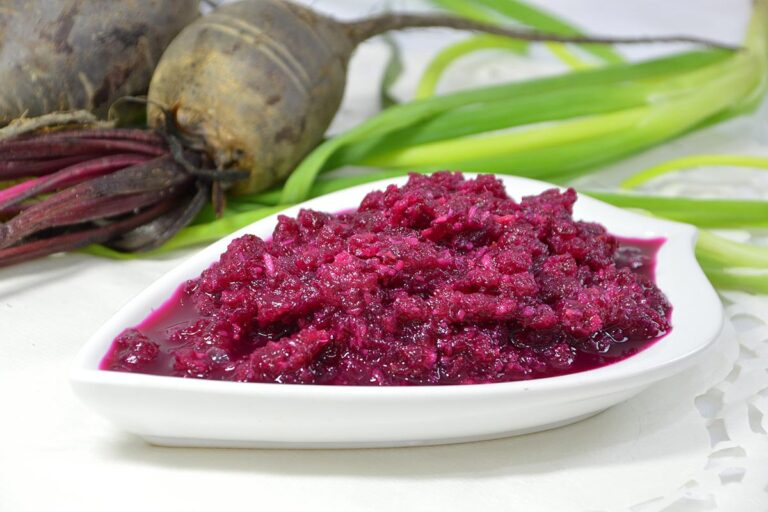
There I was in the kitchen, staring at a black radish.

I felt a little intimidated.

I’d never handled or eaten a black radish. It was so very black. Its skin was rough, almost like suede, and it looked tough to slice. I mean – black foods don’t usually scare me. If there’s anything I love to eat, it’s black beans. Why should I, who routinely joint whole raw chickens without turning a hair, feel insecure in front of a radish?

It all started with my Glazed Turnips post. In the comments, readers, especially cookbook author Faye Levy, encouraged me to cultivate the acquaintance of radishes. OK. I got fired up. Next time I took a bus out to the shuk, I made a point of getting four different kinds of radishes. Yes, you’ll be reading about all of them. But I bravely took the strangest-looking one first.

Continue reading »


image-glazed turnips

Consider the humble turnip. Humble, because so many people treat it snobbishly. How would you feel if you were a turnip, lying there hopefully in the supermarket bin and watching all the good cooks strolling past you without a second glance? Even a potato gets better press than a turnip.

I confess, I’ve never been fond of turnips. Except once, my mother peeled and roasted one next to the Shabbat chicken, and it was delicious. It soaked up some of the chicken drippings, and with its natural sweetness it just came out a winner. But I’ve never cooked one till recently.

Continue reading »


image-spinach patties7

Have you done a lot of frying this Hanukkah?

Me, I usually adapt fried foods to baked, but on Hanukkah, latkehs have to be fried at least once. So I fried traditional potato latkehs the first night, but until last night, I kept Husband and the Little One happy with fishy things like Slow-Cooked Salmon and Tajine of Red Mullet in Chermoulah. Then I decided to succumb to tradition and fry something. Hanukka’s winding down, after all.

I came across cookbook author Gil Mark’s Keftes de Espinaca – spinach patties.  Perfect – Husband’s favorite vegetable is spinach.  The Little One could do without it, but even she ate and took seconds of these patties. And to my delight, they needed but little oil to fry up into delicious, crusty morsels with tender insides. I served pasta with tomato sauce on the side and we had a great vegetarian meal.

Continue reading »


DSC_1332

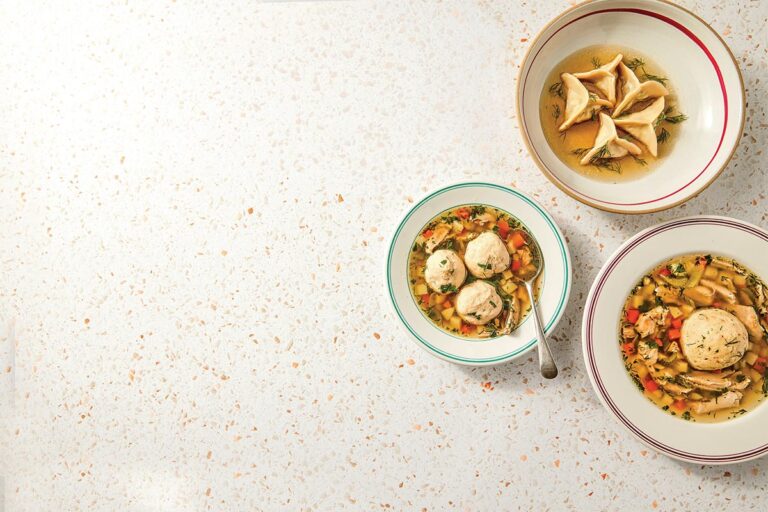
Recently I had the pleasure of dining at chef Moshe Basson’s Eucalyptus restaurant in Jerusalem – twice. One of the things I liked best on the tasting menu was this trio of soups served in espresso cups. Just enough for a hearty taste , not so much as to dull the appetite. They are all vegetarian and pareve.

With Sukkot just about on top of us, and the weather finally turning cooler, it seems a good idea to keep soup recipes on the top of the printout pile. (Mine is an untidy, toppling pile whose papers are already stained and crumpled. I keep promising myself I’m going to organize the recipes alphabetically into a nice, neat folder…someday.)

So here are three soups for your holiday, the same soups I sipped at Eucalyptus. I wish you a chag Sukkot sameach!

Continue reading »


image-iraqi-green-rice

It was once when I was asking all the vendors in the shuk what they were going to eat for Shabbat. The fish vendor, Moshe, gave me a full description.

“My wife caters to the taste of each kid and each grandchild. She makes white rice, red rice, rice with lentils, green rice…”

Red rice, Moshe said, is cooked with a little tomato paste. Kids love it. Green rice, now, I hadn’t heard of.

“What makes it green?”

Ofer turned away impatiently; a line of customers had formed while we were chatting. “Herbs…” he said, forgetting about me.

Continue reading »


image-bulgur-salad

What do you consider staples? For me, grains and pulses are the most important. When I put my hand into the freezer I find rice, beans, barley, flours, wheat in different forms. One such is bulgur.  Its lightly nutty flavor goes with pretty much anything. And it’s a healthy carb.

I used this salad as stuffing for eggplant last Tu B’Shvat. Decorated with apple slices – or with some firm fig quarters – and served cold, the dish takes on a new incarnation as a summery salad. It makes a good vegetarian main dish, needing only some firm white cheese or eggs on the side.

Summer Bulgur Salad

Serves 6-8

Ingredients:

1 cup bulgur wheat, medium grade

1/2 teaspoon salt

2 cups boiling water

1/3 cup chopped pecans

1/3 cup chopped walnuts

1/2 cup raisins

1 stalk celery, sliced fine

1/4 cup toasted sunflower seeds

2 tblsp. chives, chopped fine

1 apple, chopped into large dice

1 tblsp. runny honey

Juice of 1/2 lemon

1/4 cup olive oil

1/2 tsp. cumin

1/4 tsp. cinnamon

In a large heatproof bowl, mix the bulgur and the salt well.

Pour the boiling water over the bulgur and cover the bowl. The bulgur will absorb the water and cook. Leave it alone for half an hour. While it’s cooking, measure and prepare the other ingredients.

With a fork, fluff the cooked bulgur.Put the diced apple into the bowl on top of the bulgur. Pour the lemon juice over the  apple to prevent it turning brown. Pour the honey over the apple.

Add the nuts, raisins, celery, sunflower seeds and chives and stir gently. Add the olive oil, cumin and cinnamon and mix again. Taste for seasoning.

Decorate with apple slices. Serve cold or at room temperature.


image-indian-dinner-dal

Every so often, I feel that I have to eat curry. It must have something to do with needing micro-nutrients. I mean, curry spices are packed with them.That’s why curries figure so prominently in vegetarian cuisine.

That’s my theory, anyway.

Most often, dal fixes me up, that thick lentil stew made aromatic with turmeric and cinnamon and cloves, and smoothed into submission with ghee (my post about ghee is here). Dal is high in protein, satisfying, and inexpensive. You can make it mild or add heat with chilis. Myself, I like some heat, but the recipe below is flexible; you choose how much, if any, chili or cayenne goes in.

Dal and plain rice, like the one I cook to serve with majadra, and salad on the side, make a good, home-made lunch that only takes about half an hour. But then again, and especially if there are guests, I might make a whole Indian menu for dinner. Herbed fish patties, coconut rice, dal, and yogurt raita. (Raita is sauce eaten as a relish and a cool foil to spicy or chili-hot food). Just exotic enough to pique the appetite but not so much so as to freak the people out.

I prefer dal made with the tiny, pale-yellow moong lentils that only Indian stores seem to carry.These seem to melt away into a thick, smooth, savory mass that absorbs all the spices perfectly. But yellow split peas work very well too. Just cook them till they’re very, very soft.

dal ingredients

The recipes have been given in logical sequence to make best use of your time. Altogether, the whole meal should take 1 hour to prepare.

Cucumber Raita (Yogurt  Sauce)

Serves 6 – may be halved or doubled

2 large, fresh cucumbers

1 medium onion

2 teaspoons salt

Optional: 1/8 – ¼ teaspoon cayenne flakes

3 cups thick, cold yogurt

1. Peel the cucumbers. Grate them, and grate the onion – or process the vegetables in the food processor.

2. Stir salt into the grated vegetables and put them in a sieve or colander placed over a bowl to catch the juices. Allow to marinate and drain for 1-2 hours.

While the vegetables are draining, prepare the dal.

3. After vegetables have drained 1-2 hours, rinse them and mix with yogurt and optional cayenne. The sauce is ready to serve.

Dal:  Split-Pea Stew

Serves 6

1 – ½ cups moong dal or yellow split peas

4 cups water

1 – ½ teaspoon salt

3 tablespoons ghee or  butter

1 teaspoon ground cumin

1 teaspoon ground turmeric

½ teaspoon ground cinnamon

¼ teaspoon cayenne flakes, or more if liked

¼ teaspoon ground ginger

¼ teaspoon ground coriander

½ teaspoon mustard seeds – do not substitute prepared mustard for these seeds.

1/8 teaspoon ground cloves

1. Put water to boil with salt. Boil the lentils in it for 20 minutes or until very soft. Stir occasionally while cooking.

While dal is cooking, start preparing the fish patties.

2. Melt the ghee or butter in a saucepan over medium heat. Add all the spices. Heat them through for 2 or 3 minutes.

3. Add the spiced butter to the boiled lentils and stir thoroughly. Simmer over low heat till the stew is thick – about 5 minutes.

Indian Herbed Fish Patties

Adapted from The Book of Jewish Food by Claudia Roden

Serves 4

1 cup cilantro  leaves

¾ cup scallions

1 teaspoon hot curry powder or regular curry powder plus 1/8 – 1/4 teaspoon cayenne pepper flakes (to taste)

3 tablespoons flour

1 lb. – 500 grams raw ground fish

½ teaspoon salt

Oil

1. Chop the cilantro and scallions finely. You may pulse them in a food processor, but don’t process them to a paste. Those bits of green herbs give the patties a certain home-made attraction.

2. Add the curry powder, flour, and fish. Mix very well.

3. Make patties in the palm of your hand, pushing the edges together so they don’t crack in frying. Press a shallow dimple in the center of each patty with your forefinger: this helps the patty stay together (do this with hamburgers too).  Fry the patties in shallow oil till brown on both sides. 

Coconut Rice

Serves 6

1 can coconut milk

2 cups water

1 ¼ teaspoon salt

½ teaspoon ground turmeric

1 ½ cups rice

3 coriander pods, crushed, husks removed, and black seeds crushed again.

1. Boil coconut milk, water, salt, turmeric and coriander in a medium pan, covered.

2. Add the rinsed, drained rice. Bring to a boil again.

3. Cook, covered, over low heat until all the liquid is absorbed – about 15 minutes.

Serve this meal with cold cider, beer, or lemonade.


image-sweet-potato-saladJust before sweet potatoes got expensive again (because they’re always best and cheapest in winter), I brought some good ones home. Putting the vegetables down on the kitchen counter, I began to think.

Should I roast them in date honey? How about chopping one and putting it in the roasting pan with curried chicken and apples? A vegetarian  sweet potato and lentil salad?

Hm, it does look like a lot of sweet potato recipes here. Yet because the weather’s getting warmer and I wanted something light, I chose another one for your enjoyment and mine. Please view my sweet potato salad – then cook it up, because it’s not only good, it’s good for you.

Sweet Potato Salad

6 portions

Printable version here

Ingredients:

1 large sweet potato

1 medium red onion, sliced finely

1/3 cup olive oil

1/4 cup apple cider vinegar

2 tablespoons sugar

1 teaspoon salt

black pepper

1/2 cup chopped cilantro or parsley

Method:

Scrub, but don’t peel, the sweet potato. Chop it into large dice.

Put the chopped sweet potato in a pan with salted water to cover, and bring it to a boil.

Lower the flame and cook for 7 minutes. Start testing the pieces for tenderness. They should take between 7-10 minutes to cook till tender but still firm.

Drain the pieces at once and run a little cold water over them to stop the cooking.

Put them in a bowl with the rest of the ingredients. Taste for the exact balance of salt, sour and sweetness that you like, and adjust accordingly. Use a wooden spoon to stir – gently.

Chill the salad in the fridge for an hour before serving. Simple, colorful, and satisfying.


image-vegetable-kebabs

How we do love anything grilled. There’s something about that smoky, slightly charred flavor that just wakes hunger up. And how smart we are not to confine our grilling to meat – even peaches taste special cooked over an open flame. With the Passover week coming up, we expect to smell a lot of al ha-esh barbeques around. Ours will have vegetables too.

I brought marinated vegetable kebabs to the family Purim party. While the rest of us sat at the rooftop table drinking wine and sangria, my son-in-law’s brother-in-law – well, extended family tends to grow close here – anyway, one of the young men stood and kindly grilled.

He turned out grilled chicken fillets and wings and livers (and hearts, those dark, crunchy little nuggets).  Grilled, thinly sliced beef fillets. Spicy little hamburgers. And there was a big potato salad colorful with chopped red onions, cilantro, and celery and tart with a lemony mayonnaise. Dishes of humus and Turkish salad (follow links to recipes).  A bowl of Israeli chopped tomato/cucumber salad. French fries. A feast – but the surprise was the grilled vegetable kebabs. Everyone loved them.

My mechutenet (daughter’s mother-in-law) asked me for the recipe. She herself is an excellent cook in the Sephardic tradition, owning no other kitchen appliance than a hand-held grater and making every single thing fresh.  I was honored.

Now it occurs to me that except for the pile of fresh pitas, this menu would be wonderful on a Passover get-together. Many like to grill on the holiday. And at the conclusion of Passover, half the country goes to the parks for the Mimuna festival. Everyone sets up portable grills and boom boxes and lounges around on the grass, eating grilled meat and grooving to loud music sung by people with nasal obstructions. Vegetable kebabs would make a welcome light note there.

Grilled Vegetable Kebabs

6-8 servings

Choose from any mix of eggplant, zucchini, summer squash, tomatoes, bell peppers of any color, white or red onions, mushrooms, and sweet potatoes.

Combine:

1/2 cup dry white wine

1/2 cup olive oil

3 cloves garlic, crushed

1 tablespoon orange zest

1 tablespoon lemon zest

2 teaspoons freshly-ground black pepper

1 tablespoon fresh, chopped za’atar or oregano, or 2 teaspoons dried

1 teaspoon ground cumin

1 teaspoon thyme

1 tablespoon chopped, fresh rosemary leaves or 1/2 tablespoon dried

Cut tomatoes in quarters or use cherry tomatoes.  Chop peppers and onions into chunks convenient for skewering. If using button mushrooms, there’s no need to cut them; if using larger ones, slice into halves.

If using eggplant and/or zucchini, slice them thickly, place them in a colander, and cover with a light layer of salt. Set the colander over a bowl to catch the juices, and let the vegetables drain for half an hour. Rinse them and either put them back into the (rinsed) colander to dry or pat them dry.

If using sweet potatoes, slice them thickly and drop them into boiling water. Cook for 5 minutes, covered. Remove from the water and drain.

There should be about 8 cups of vegetables, not tightly packed, when you’re done chopping. Combine all the vegetables and pour the marinade over them. Cover and put in the fridge for at least 2 hours and up to overnight.

Have plenty of wooden skewers at hand. Soak them in cold water for half an hour before spearing them into the food – this will help prevent them from burning while the vegetables cook.

Arrange the vegetables on the soaked skewers and grill 5-10 minutes on each side, till all are tender. Have fun sliding the fragrant grilled chunks off the skewers and onto your plate.


image-nut-butters
Looking at the price of almond butter in the health food store, I put the jar back on the shelf and thought, I can make it myself. So I strolled out and headed for the shuk, where almonds are plentiful and affordable.

I could have bought American almonds, but sampling all of them, I found the local ones best. Probably they’re fresher, not having been sitting in the hold of a ship for who knows how long. And while I was at it, I indulged in cashews. Some sunflower seeds went into my cloth shopping bag too.

At home, I pulled out my trusty food processor (of mayonnaise fame) and got to work. It took almost no time to produce three individual nut and seed spreads. It’s worth making small batches, because they really taste best fresh. And while these spreadable butters usually wind up on bread as a snack, you can do a lot of different things with them – as you’ll find out.

Almond Butter

Yield: 2/3 cup

Choose either blanched (white) whole nuts, or almonds with the papery brown skin still on them. Either way, the almond butter is delicious.

2  cups raw almonds

Salt

2 tablespoons almond oil or other neutral-flavored oil

Heat the oven to 300 degrees F, 150 degrees C.

Spread almonds on a baking sheet in a single layer.

Sprinkle lightly with salt.

Roast for 7 minutes, then turn nuts over and roast another 5-7 minutes. There should be a light, nutty aroma when you open the oven door.

While the almonds are still warm, transfer them to the food processor. Add the oil.

Process for 5-12 minutes. Processing time varies according to the age of the nuts and how dry or moist they were when you bought them. There will be a dry flour at first, but persist, stopping the food processor once in a while and scraping the sides down. Process till you have a smooth paste. Store in a clean, dry, covered jar for up to 1 month.

Things to do with your Almond Butter:

Substitute it for peanut butter in cookies and Oriental sauces.

Stir a tablespoon into hot cereal. It will add protein and fat.

Milk substitute: blend 2 tablespoons almond butter or cashew butter with 1 cup of water and 1 teaspoon honey till foamy; strain and drink, or use in cooking or baking. Cashew butter doesn’t need straining.

Sweet variation: add a handful of good chocolate to almonds when processing. Or 1 tablespoon maple syrup, or 1 tablespoon brown sugar.

Kid’s favorites: the classic “ants on a log –“ celery sticks stuffed with peanut butter and dotted with raisins – tastes new when you substitute almond butter and cranberries. Or spread almond butter on toast and top with sliced bananas or jam.

Cashew Butter

Use the same procedure as for almond butter, above. It will be firm, but moist. A delicious thing to do with cashew butter is mix finely chopped chives with grated sharp cheese like cheddar or Parmesan and roll little balls of cashew butter in the mix.

image-cashew-butter
Sunflower Seed Butter

Sunflower seeds pick up the taste of salt strongly, so start by adding only a pinch, then add more to taste – up to ¼ teaspoon salt.

1 cup shelled, roasted sunflower seeds

1 tablespoon oil

Pinch of salt

Sunflower seed “techinah”

½ cup sunflower seed butter

¼ cup freshly squeezed lemon juice

¼ cup water

1 small, mashed garlic clove

Salt to taste

Blend all.

Spread toasted slices of challah or French bread with sunflower seed butter and top with one of the following:

A slice of tomato

Slices of hard-boiled egg

Thinly sliced leftover roast chicken

Garnish the open sandwich with olives, pickles, and sprigs of fresh herbs like parsley, aragula, and basil.

image-sunflower-seed-butter

Related Posts with Thumbnails

© 2012 Israeli Kitchen Suffusion theme by Sayontan Sinha